What helps most with memory loss in the elderly is a combination of approaches: a brain-protective diet (Mediterranean/MIND), correcting key nutrient deficiencies (B12, vitamin D, omega-3, folate), regular physical exercise, quality sleep, social and mental engagement, well-managed blood pressure and blood sugar, and — for many people — clinically studied natural nootropics such as Bacopa Monnieri, Ginkgo Biloba, and Phosphatidylserine. The first and most important step is a medical check to rule out reversible causes.
Memory loss is one of the most worrying changes families notice as a loved one ages. The encouraging news is that many age-related memory problems are not permanent, and there is a great deal that genuinely helps. Research over the past two decades has identified clear, repeatable strategies that support memory in older adults — and, just as importantly, the warning signs that mean memory loss needs a doctor's attention rather than a supplement.
This guide walks through what actually works, organized from the highest-impact foundations to targeted nutritional support, so you can build a realistic plan.
Key Takeaways
- Rule out reversible causes first — deficiencies, thyroid issues, medications, depression, and sleep apnea all cause memory loss and are treatable.
- Diet, exercise, and sleep are the highest-impact, best-evidenced strategies for memory in seniors.
- B12, vitamin D, omega-3, and folate are the nutrients most worth checking and correcting.
- Natural nootropics like Bacopa Monnieri, Ginkgo Biloba, and Phosphatidylserine have clinical support and can complement lifestyle changes.
- Supplements support memory — they do not treat or cure dementia, and are not a substitute for medical care.
First Step: Rule Out Reversible Causes
Before reaching for any supplement, the most valuable thing you can do is ask a doctor to check for treatable causes of memory loss. A surprising share of memory problems in older adults come from issues that can be fully corrected:
- Vitamin B12 deficiency — common in seniors and a well-documented cause of memory problems.
- Thyroid dysfunction — an underactive thyroid frequently mimics memory loss.
- Medication side effects — some sleep aids, allergy, and bladder medications cloud memory, especially in combination.
- Depression and anxiety — can impair memory and concentration significantly.
- Sleep apnea and poor sleep — fragmented sleep blocks memory consolidation.
- Dehydration or infection — can cause sudden confusion in older adults.
Addressing the right one of these can restore memory more effectively than any single food or pill.

Brain-Protective Foods That Help Memory
What you eat directly affects how your brain ages. The Mediterranean and MIND diets — both rich in plants, healthy fats, and fish — are consistently associated with slower cognitive decline in large studies. The most evidence-backed brain foods include:
| Food | Why it helps memory | Frequency |
|---|---|---|
| Fatty fish (salmon, sardines) | Omega-3 (DHA) supports neuron membranes | 2–3×/week |
| Leafy greens (spinach, kale) | Folate, vitamin K, lutein linked to slower decline | Daily |
| Berries | Flavonoids that protect brain cells from stress | Most days |
| Nuts & seeds | Vitamin E and healthy fats | Daily handful |
| Olive oil | Anti-inflammatory monounsaturated fats | Daily |
| Eggs | Choline, a building block of memory neurotransmitters | Several/week |
| Whole grains & legumes | Steady glucose and B vitamins for the brain | Daily |
Hard to get every nutrient from food alone? A targeted brain-support formula can fill the gaps that diet often misses in older adults.
Learn More →The Key Nutrients for Memory in Seniors
A few specific nutrients have the strongest link to memory and are also the ones most commonly low in older adults:
- Vitamin B12 — absorption declines with age; deficiency is a classic, correctable cause of memory loss.
- Omega-3 fatty acids (DHA/EPA) — structural fats essential to brain cell function.
- Vitamin D — low levels are associated with poorer cognitive performance in seniors.
- Folate (B9) — works with B12 to manage homocysteine, a marker linked to cognitive decline.
- Magnesium — involved in hundreds of brain processes, including learning and memory.
A simple blood panel can reveal which of these you are low in, so supplementation is targeted rather than guesswork.
Exercise, Sleep, and Stress: The Lifestyle Trio
Physical activity
Aerobic exercise increases blood flow to the brain and supports the hippocampus, the region central to memory. Even brisk walking most days of the week is associated with measurable cognitive benefits in older adults.
Quality sleep
Memory consolidation — the process of moving information into long-term storage — happens largely during deep sleep. Treating sleep apnea and improving sleep hygiene can produce some of the fastest noticeable gains in memory and clarity.
Stress management
Chronically elevated cortisol interferes with the hippocampus and memory formation. Practices like walking, social connection, breathing exercises, and enjoyable hobbies measurably lower this burden.
"The brain that moves, sleeps, and stays engaged ages very differently from the one that does not. Lifestyle is not a soft option — it is the foundation of memory care."
— Consensus across cognitive aging researchMental and Social Engagement Build Memory Reserve
The brain follows a "use it or lose it" principle. Staying mentally and socially active builds cognitive reserve — the brain's resilience against age-related change. Helpful activities include:
- Learning something new — a language, instrument, or skill that challenges the brain.
- Reading, puzzles, strategy games, and creative hobbies.
- Regular social interaction, which is strongly protective against decline.
- Volunteering or part-time activity that provides routine and purpose.
Practical Memory Techniques That Work
Alongside biology, simple strategies make daily memory easier and reduce frustration:
- Routines and consistency — keep keys, glasses, and medications in the same place every day.
- External aids — calendars, pill organizers, phone reminders, and lists reduce cognitive load.
- Chunking — break phone numbers and information into smaller groups.
- Association and visualization — link new names or facts to vivid images.
- Focus on one task at a time — divided attention is one of the biggest causes of "forgetting."
Natural Nootropics With the Strongest Evidence
For older adults who have addressed the basics, several natural compounds have peer-reviewed clinical evidence for supporting memory and cognition. These are supportive tools — not cures.
Bacopa Monnieri
An Ayurvedic herb shown in multiple randomized trials to improve memory and information-processing speed, typically over 8–12 weeks of consistent use.
Phosphatidylserine
A phospholipid essential to brain cell membranes, with the most established record for supporting cognitive function in older adults.
Ginkgo Biloba
Supports cerebral blood flow, addressing one of the vascular contributors to memory problems in seniors.
Lion's Mane Mushroom
Studied for its role in stimulating nerve growth factor (NGF), which supports the neural networks behind memory.
L-Theanine
Promotes calm, focused attention and reduces the anxiety-driven interference that disrupts recall.
Rhodiola Rosea
An adaptogen that helps with mental fatigue, especially useful when stress compounds memory problems.
How MemoPryl Brings These Together
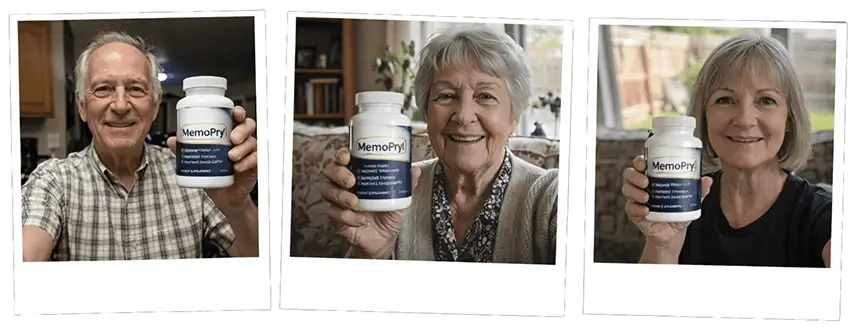
Rather than buying each ingredient separately, MemoPryl combines five of the most studied compounds — Bacopa Monnieri, Rhodiola Rosea, Panax Ginseng, L-Theanine, and BCAAs (2:1:1) — in one daily formula designed for adults over 50. It is manufactured in the USA in an FDA-registered, GMP-certified facility using non-GMO ingredients.
MemoPryl is intended to support memory and cognitive wellness as part of the broader plan above. It is not a treatment for dementia or any disease, and works best alongside good nutrition, exercise, sleep, and medical guidance.
When Memory Loss Needs a Doctor
Memory loss that worsens over time, interferes with daily independence, or appears suddenly should be evaluated by a healthcare professional. This article is educational and cannot diagnose any condition.
See a doctor promptly if an older adult:
- Shows memory loss that is progressively worsening over weeks or months.
- Has trouble with familiar daily tasks — cooking, bills, medications, or driving.
- Gets lost in familiar places or shows confusion about time and place.
- Develops memory problems after a new medication .
Call emergency services for sudden confusion , trouble speaking, one-sided weakness or face drooping, or a severe headache — these can be signs of a stroke and need immediate care.

Frequently Asked Questions
What is the best thing for memory loss in the elderly?
There is no single "best thing" — the most effective approach is a combination: a brain-protective diet, regular exercise, quality sleep, correcting nutrient deficiencies (especially B12 and vitamin D), staying mentally and socially active, and adding clinically studied nootropics such as Bacopa Monnieri or Phosphatidylserine. The essential first step is a medical check to rule out reversible causes like thyroid problems or medication side effects.
What vitamins help with memory loss in seniors?
The vitamins most linked to memory in older adults are B12, folate (B9), vitamin D, and omega-3 fatty acids, with magnesium also playing a role. These are also the nutrients most commonly low in seniors. A blood test can identify deficiencies so supplementation is targeted. Correcting a genuine B12 deficiency, in particular, can produce a clear improvement in memory.
Can memory loss in the elderly be reversed?
Often, yes — when it stems from a reversible cause. Memory loss due to vitamin deficiency, thyroid dysfunction, medication side effects, depression, dehydration, or sleep problems can frequently be improved or fully reversed once treated. Memory loss from progressive conditions like Alzheimer's cannot currently be reversed, which is why a medical evaluation to find the cause comes first.
How long do brain supplements take to work?
It depends on the ingredient. L-Theanine can affect focus the same day, while herbs like Ginkgo and Rhodiola often show benefits within a few weeks. Bacopa Monnieri, one of the best-studied memory herbs, typically takes 8–12 weeks of consistent daily use to reach its full effect, because it works by gradually supporting memory pathways rather than acting as a stimulant.
Are memory supplements safe for older adults?
The well-studied natural nootropics generally have good safety profiles, but seniors often take other medications, so interactions matter — Ginkgo, for example, can affect blood thinning. Always consult a healthcare provider before starting any supplement, especially if taking prescription medications or managing a medical condition. Choose products made in FDA-registered, GMP-certified facilities.
What foods improve memory in the elderly?
The most evidence-backed memory foods are fatty fish (for omega-3), leafy greens, berries, nuts, olive oil, eggs, and whole grains — the foundation of the Mediterranean and MIND diets. These provide the omega-3s, antioxidants, B vitamins, and healthy fats the aging brain needs, and large studies link them to slower cognitive decline.
Give Your Memory Comprehensive Support
MemoPryl combines five research-backed ingredients — Bacopa Monnieri, Rhodiola Rosea, Panax Ginseng, L-Theanine, and BCAAs (2:1:1) — in one daily formula for adults 50+. Manufactured in an FDA-registered, GMP-certified facility in the USA.
Get MemoPryl — Special Offer Available →60-Day Money-Back Guarantee · Free Shipping to the USA · Non-GMO Formula