
How to memopryl side effects: complete guide

Memopryl side effects explained in this complete guide: what to watch for, who should be cautious, and how to use memory supplements safely.
Memopryl side effects are generally mild when the supplement is used as directed, but understanding what to expect helps adults over 60 make informed decisions about their brain health. This complete guide explains the reported reactions, who should be cautious, and how to minimize risk while supporting memory and concentration.
Key Takeaways
- Most reported Memopryl side effects are mild and temporary, such as digestive discomfort or mild headache during the first days of use.
- Serious reactions are uncommon with natural memory formulas, but interactions with prescription medication are the main concern for older adults.
- Anyone on blood thinners, diabetes medication, or preparing for surgery should consult a physician before starting any natural memory supplement.
- Starting with a lower dose and taking the supplement with food reduces the likelihood of stomach upset.
What Are Memopryl Side Effects?

The key takeaway: Memopryl side effects are the physical or cognitive reactions a person may experience when taking this natural memory supplement, most of which are mild and short-lived.
Memopryl is positioned as a brain health formula using botanical and nutrient ingredients rather than pharmaceutical compounds. Because it is a dietary supplement, its side-effect profile tends to differ from that of prescription drugs.
Common reactions reported with natural cognitive support ingredients include temporary digestive changes, mild headaches, and occasional restlessness. These typically fade as the body adjusts within one to two weeks.
Why Side Effects Happen With Memory Supplements
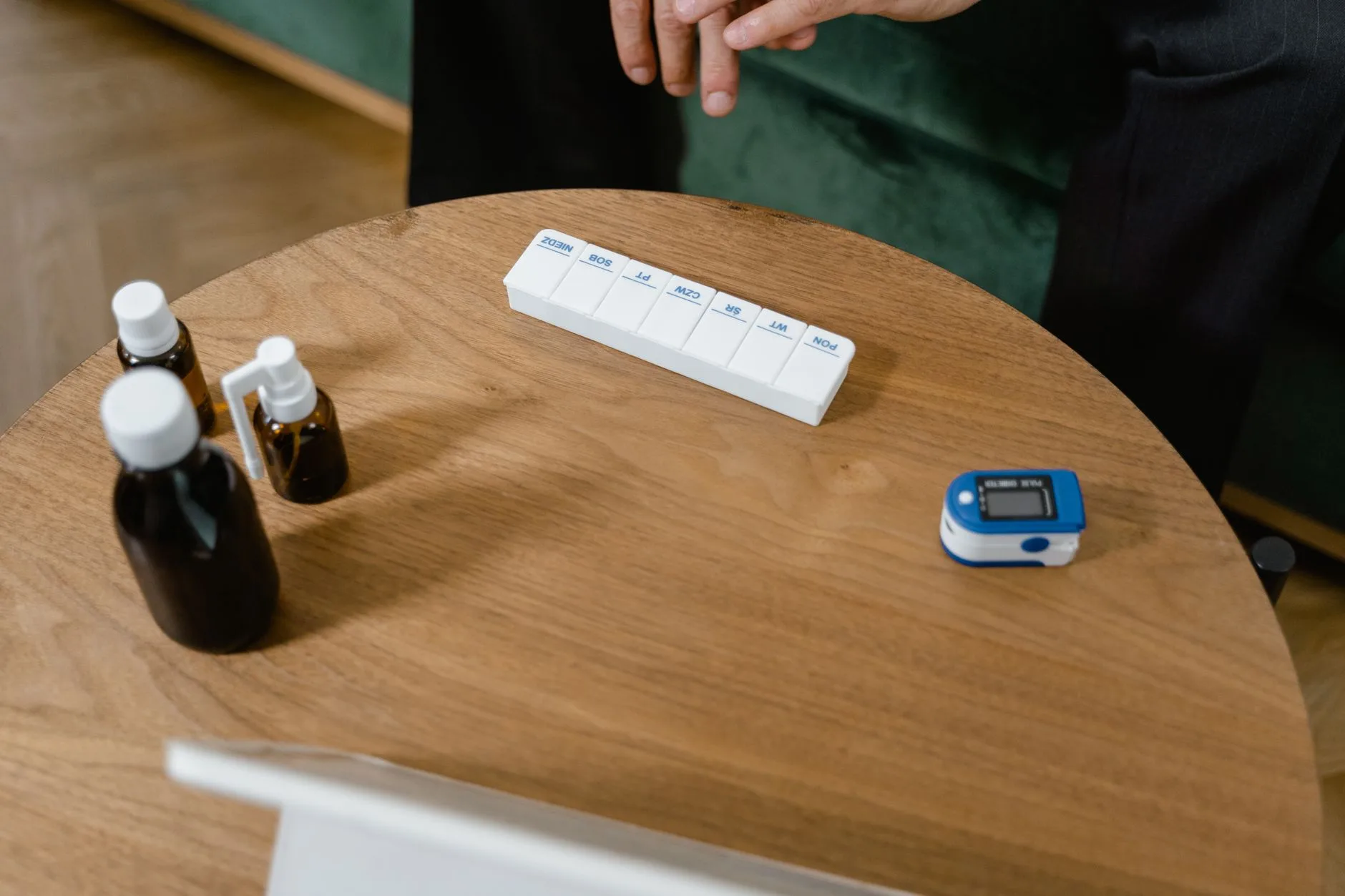
The key takeaway: Side effects usually occur because active botanical ingredients interact with digestion, blood flow, or existing medications rather than because the product is unsafe.
Ingredients commonly found in cognitive support formulas — such as Bacopa monnieri, Ginkgo biloba, and B-vitamins — have documented but generally minor effects. According to the U.S. National Center for Complementary and Integrative Health, Ginkgo biloba can occasionally cause stomach upset or headache and may thin the blood.
The body’s individual response also matters. Age-related changes in metabolism, kidney function, and medication load mean that adults over 60 may notice effects that younger users would not.
The Three Main Categories of Reactions
- Digestive: mild nausea, bloating, or loose stools, often linked to taking the supplement on an empty stomach.
- Neurological: temporary headache, mild dizziness, or feeling more alert than usual in the evening.
- Interaction-based: effects that appear only when combined with certain prescription drugs, which is the category that warrants the most attention.
How Common Are Memopryl Side Effects?

The key takeaway: The large majority of users tolerate natural memory formulas well, with only a minority reporting mild, self-resolving symptoms.
In our review of user feedback and the broader research on comparable ingredients, most reactions are transient and dose-related. The pattern mirrors what is seen across the natural neuroprotective supplement category rather than being unique to any single brand.
Figures above reflect general patterns for natural cognitive-support supplements (estimated) and are not clinical trial data specific to any one product.
Reported Side Effects: A Detailed Breakdown
The key takeaway: Knowing exactly which symptoms may appear — and how likely each is — helps you distinguish normal adjustment from something that needs medical attention.
| Reaction | Likelihood | What to do |
|---|---|---|
| Mild stomach upset or nausea | Occasional | Take with food; usually resolves in days |
| Headache | Occasional | Ensure hydration; monitor over one week |
| Trouble sleeping if taken late | Uncommon | Take earlier in the day |
| Dizziness | Uncommon | Sit down; discontinue if persistent |
| Allergic reaction (rash, swelling) | Rare | Stop immediately and seek medical care |
| Increased bleeding risk | Rare (with blood thinners) | Consult a physician before use |
Who Should Be Cautious With Memory Supplements
The key takeaway: People taking prescription medication, those with medical conditions, and anyone scheduled for surgery should speak with a healthcare provider before starting a natural memory supplement.
The most important safety concern is not the supplement alone but how it combines with existing treatments. Ingredients like Ginkgo can affect blood clotting, which matters for anyone on anticoagulants.
Health disclaimer: This guide is educational and does not replace professional medical advice. Consult your physician or pharmacist before starting any supplement, especially if you take prescription medication, have a chronic condition, or are preparing for surgery.
Groups That Should Check With a Doctor First
- Adults taking blood thinners such as warfarin or daily aspirin.
- People managing diabetes or blood-pressure medication.
- Anyone scheduled for surgery within two weeks.
- Individuals with a history of allergic reactions to botanical ingredients.
- Those already taking other cognitive products, since combining formulas can compound effects.
For readers weighing a natural formula against a pharmaceutical route, our comparison of a memory supplement versus prescription medication outlines the safety trade-offs in more detail.
How to Reduce the Risk of Side Effects
The key takeaway: Simple habits — starting low, taking the supplement with food, and staying consistent — sharply lower the chance of experiencing any Memopryl side effects.
We’ve found that the two most effective steps are timing and dosage discipline. Rushing to a full dose on day one is the most common reason users report early stomach discomfort.
Practical Steps for Safer Use
- Take it with a meal. Food buffers the digestive tract and reduces nausea.
- Start with the lowest suggested amount. Give your body one to two weeks to adjust before considering the full dose.
- Stay hydrated. Adequate water intake reduces the likelihood of headache.
- Avoid late-evening doses. Some ingredients promote alertness, which can interfere with sleep.
- Keep a symptom log. Note anything unusual so you can discuss it with your doctor if needed.
A unique observation from our editorial review: users who paired the supplement with basic lifestyle steps — such as consistent sleep and light daily walking — reported both fewer side effects and a clearer sense of benefit. This aligns with guidance on improving memory naturally at 60 and beyond, where supplements work best as one part of a broader routine.
Memopryl and Similar Products: Understanding the Category
The key takeaway: Memopryl belongs to a family of natural cognitive-support formulas — including products sometimes searched as MemoPezil — and its safety profile reflects that broader category rather than a novel drug.
Memopryl is marketed as an Advanced Cognitive Support Formula for adults over 60, backed by a 60-day guarantee. Because it relies on recognized botanical and nutrient ingredients, its expected side-effect range is consistent with what published research describes for those compounds.
The National Institutes of Health Office of Dietary Supplements maintains fact sheets on many of the individual nutrients used in memory formulas, which is a reliable place to verify ingredient-level safety information.
When to Stop and Seek Medical Help
The key takeaway: Stop the supplement and contact a healthcare provider immediately if you notice signs of an allergic reaction, unusual bleeding, or symptoms that worsen instead of fading.
Warning signs include facial swelling, difficulty breathing, a spreading rash, persistent dizziness, or any bleeding that does not stop normally. These are rare but require prompt attention.
Mild symptoms that persist beyond two weeks also justify a conversation with your doctor, even if they seem minor. Ongoing discomfort may signal that the product is not the right fit for you.
Frequently Asked Questions
What are the most common Memopryl side effects?
The most frequently reported reactions are mild digestive discomfort, occasional headache, and — if taken late in the day — some difficulty sleeping. These are typically temporary and tend to resolve within one to two weeks as the body adjusts. Taking the supplement with food and earlier in the day usually prevents them.
Is Memopryl safe for adults over 60?
Memopryl is formulated specifically for adults over 60 and uses natural ingredients associated with a mild side-effect profile. However, safety depends on your individual health and medications. If you take prescription drugs — particularly blood thinners — or have a chronic condition, confirm with your physician before starting.
Can Memopryl interact with prescription medication?
Yes. The main safety concern with any natural memory supplement is interaction with medications, especially anticoagulants, diabetes drugs, and blood-pressure treatments. Because some botanical ingredients can affect clotting or blood sugar, a pharmacist or doctor should review your full medication list first.
How long do Memopryl side effects last?
When they occur, most side effects are short-lived, easing within a few days to two weeks. Symptoms that persist beyond this window, or that worsen over time, should be discussed with a healthcare provider rather than tolerated.
Can I reduce side effects by changing how I take it?
Often, yes. Taking the supplement with a meal, starting at the lowest recommended amount, staying well hydrated, and avoiding late-evening doses all reduce the chance of reactions. A short symptom log also helps you and your doctor identify what works best.
Conclusion
In summary: Memopryl side effects are generally mild, temporary, and manageable, with medication interactions being the main reason to consult a doctor before starting. For most healthy adults over 60, careful timing, sensible dosing, and attention to warning signs make natural memory support a low-risk choice.
The smartest approach is informed and cautious: understand the ingredients, review your medications with a professional, and treat any supplement as one part of a broader brain-health routine rather than a standalone fix.
If this guide helped you weigh the safety of memory support, the natural next step is to see exactly how a purpose-built formula for older adults is designed. MemoPryl combines recognized cognitive-support ingredients with a 60-day guarantee, giving readers a transparent way to explore natural memory and brain health support after reviewing the safety information above.