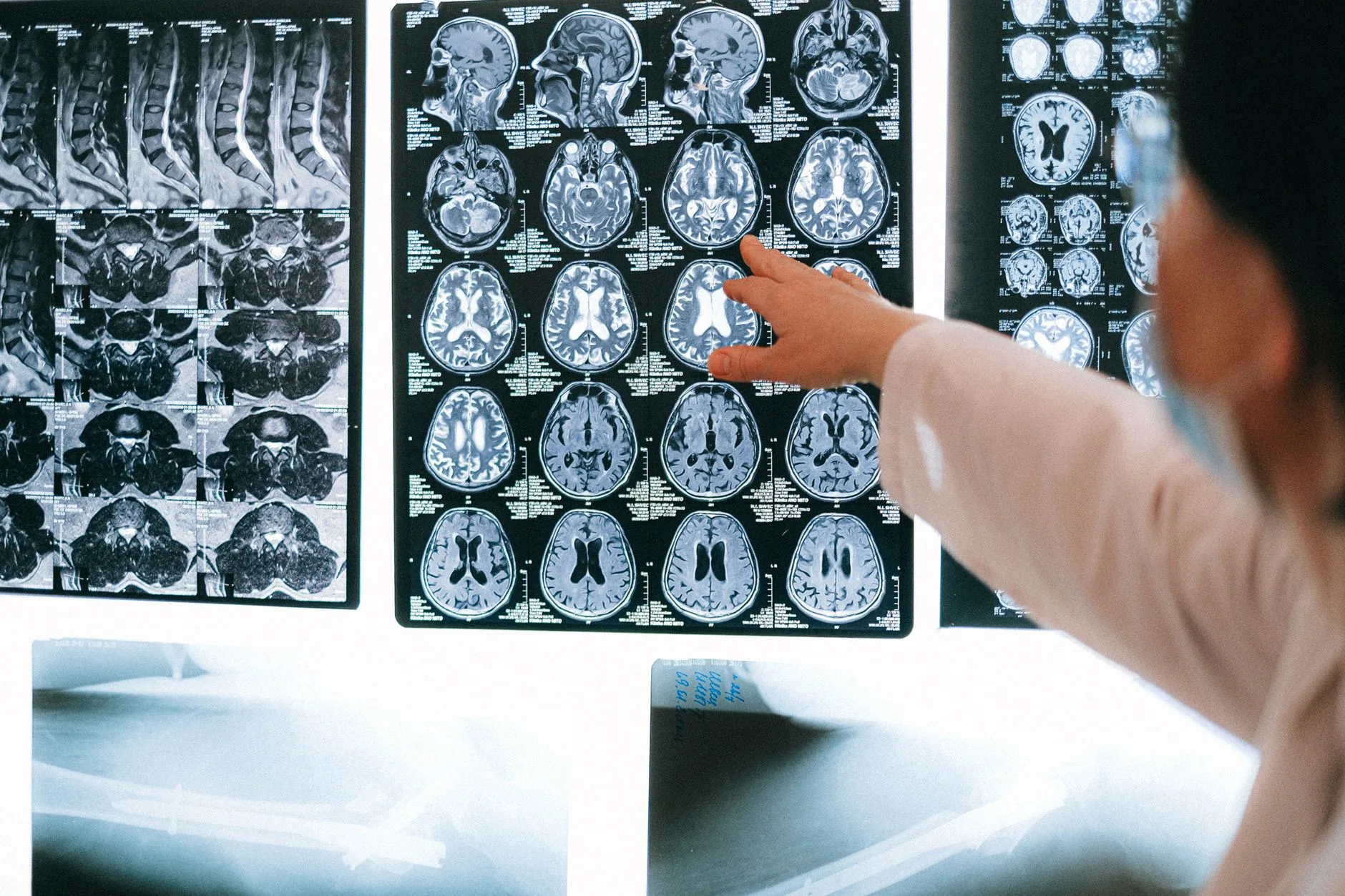
Does epilepsy cause memory loss?
Does epilepsy cause memory loss? Yes, it can affect memory in several ways. Learn the causes, types, and how to protect cognitive health.
Yes, epilepsy can cause memory loss, though the effect varies widely from person to person. The connection stems from seizure activity, the brain regions involved, medication side effects, and the timing of episodes. Not everyone with epilepsy experiences significant memory problems, but memory complaints are among the most frequently reported concerns in people living with the condition.
Key Takeaways
- Does epilepsy cause memory loss? Yes — seizures, affected brain regions (especially the temporal lobe), and anti-seizure medications can all impair memory.
- Temporal lobe epilepsy is most strongly linked to memory difficulties because it involves the hippocampus.
- Memory loss can be short-term (around a seizure) or persistent, depending on cause and treatment.
- Many memory issues are treatable through seizure control, medication adjustments, and cognitive support strategies.
- Lifestyle, sleep, and targeted nutritional support play a documented role in protecting cognition.
How Does Epilepsy Affect Memory?
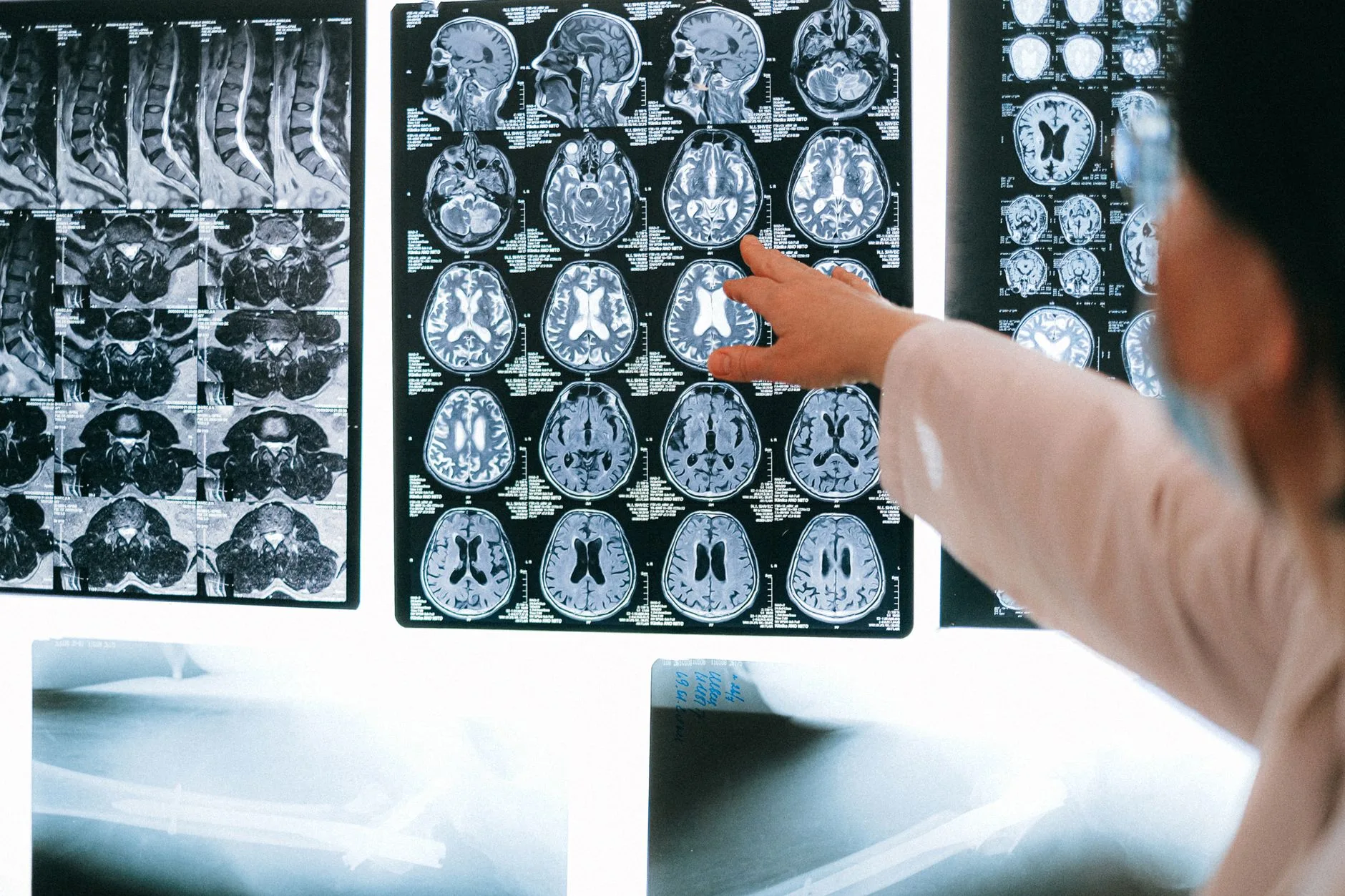
The key takeaway: Epilepsy affects memory through three main pathways — seizure disruption, damage to memory-related brain regions, and the cognitive side effects of treatment.
Seizures interrupt the electrical signaling the brain relies on to encode and store information. When abnormal activity spreads through areas responsible for learning, the brain struggles to consolidate new memories.
The hippocampus, a structure buried deep in the temporal lobe, is central to forming long-term memories. Because many seizures originate there, damage or repeated disruption can produce lasting memory difficulty.
According to the National Institute of Neurological Disorders and Stroke (NINDS), cognitive and memory problems are recognized comorbidities of epilepsy that can affect daily functioning even when seizures are controlled.
Which Types of Memory Are Most Affected?

The key takeaway: Epilepsy most commonly affects the ability to form and recall new information, along with verbal and spatial memory, depending on which brain hemisphere is involved.
Memory is not a single system. People with epilepsy may notice problems in specific domains while others remain intact.
- Anterograde memory: difficulty forming new memories after a seizure — one of the most common complaints.
- Verbal memory: often affected when seizures involve the left (dominant) temporal lobe, affecting recall of words and conversations.
- Spatial and visual memory: more likely disrupted with right temporal lobe involvement.
- Autobiographical memory: some people lose access to personal events surrounding a seizure.
In our review of the research literature, we’ve found that verbal memory complaints are reported most consistently, likely because language-dependent recall is easier for patients to notice in daily life than subtle spatial deficits.
The World Health Organization (WHO) reports that around 50 million people worldwide have epilepsy, making it one of the most common neurological conditions globally.
Why Does Temporal Lobe Epilepsy Cause the Most Memory Problems?

The key takeaway: Temporal lobe epilepsy is most strongly tied to memory loss because it directly involves the hippocampus and surrounding structures essential for memory formation.
The temporal lobes house the machinery for converting short-term experiences into durable long-term memories. When seizures repeatedly fire in this region, they can cause a form of scarring known as hippocampal sclerosis.
This structural change is one reason some people with long-standing temporal lobe epilepsy experience progressive difficulty, particularly with recalling recent events.
“The hippocampus is critical for the formation of new memories, and it is one of the areas of the brain most commonly involved in temporal lobe epilepsy.”
— Epilepsy Foundation, patient education resource
Can Anti-Seizure Medications Cause Memory Loss?
The key takeaway: Yes — some anti-seizure medications can affect concentration, processing speed, and memory as a side effect, though the impact varies by drug and dose.
Anti-epileptic drugs work by calming overactive brain signaling, but this can also slow cognitive processes. Older medications such as phenobarbital and topiramate are more frequently associated with cognitive complaints.
The distinction matters clinically. Sometimes what appears to be seizure-related memory loss is actually a treatable medication side effect that improves with an adjusted regimen.
Important: Never stop or change epilepsy medication on your own. Abruptly discontinuing anti-seizure drugs can trigger dangerous seizures. Discuss any memory concerns directly with your neurologist.
Is Epilepsy-Related Memory Loss Permanent?
The key takeaway: Not necessarily — much epilepsy-related memory loss is temporary or manageable, especially when seizures are well controlled and contributing factors are addressed.
Short-term confusion and forgetfulness immediately around a seizure often resolve within hours. Persistent difficulties are more likely with frequent uncontrolled seizures or significant hippocampal damage.
Good seizure control is the single most important factor. When seizures are reduced, the brain has more stable conditions to encode and retrieve memories.
Factors That Help Protect Memory
- Consistent seizure control
- Adequate, high-quality sleep
- Well-tolerated medication regimen
- Regular physical activity
- Cognitive rehabilitation strategies
Factors That Worsen Memory
- Frequent uncontrolled seizures
- Poor sleep and fatigue
- High doses of sedating medications
- Co-existing anxiety or depression
- Long-standing temporal lobe involvement
How Can You Protect Memory When Living With Epilepsy?
The key takeaway: Protecting memory involves seizure control, sleep, physical activity, cognitive strategies, and supporting overall brain health through nutrition and lifestyle.
Beyond medical management, several evidence-supported habits help maintain cognitive function. These strategies matter especially for older adults, whose memory systems face the combined pressures of epilepsy and normal aging.
- Prioritize sleep: Memory consolidation happens largely during sleep, and poor sleep increases seizure risk.
- Stay physically active: A study reported by NPR found that faster walkers in their 80s significantly reduced their risk of cognitive decline.
- Use memory aids: Calendars, alarms, and note-taking reduce the cognitive load of recall.
- Support neurological health: A balanced diet rich in omega-3s, B vitamins, and antioxidants supports healthy brain aging.
For readers seeking practical routines, our companion guide on how to improve memory naturally at 60+ outlines science-backed daily strategies. Those wondering about early warning signs may also find our overview of whether brain fog signals dementia useful for distinguishing normal lapses from concerning symptoms.
The Role of Nutrition and Cognitive Support Formulas
The key takeaway: While supplements do not treat epilepsy, targeted nutritional support may complement medical care by supplying nutrients the brain relies on for memory and resilience.
Certain nutrients — including omega-3 fatty acids, B-complex vitamins, and plant compounds such as those studied in Ginkgo biloba and other brain herbs — are being examined for their role in cognitive maintenance. Research here is ongoing and results are mixed, so expectations should stay realistic.
In our editorial analysis of the cognitive support category, we recommend viewing supplements as one supporting layer within a broader plan built on medical treatment, sleep, and activity — never as a replacement for prescribed care. Formulas such as MemoPryl, a natural memory supplement designed for adults over 60, position themselves within this supportive role using an advanced cognitive formula of natural ingredients.
For a balanced perspective on where these products fit, readers can consult our comparison of natural brain supplements versus prescription medications before making decisions with their healthcare provider.
When Should You See a Doctor About Memory Loss?
The key takeaway: Seek medical evaluation if memory problems worsen, interfere with daily life, or appear alongside new seizure patterns.
Memory changes are common in epilepsy, but they should always be reported to a neurologist. A proper evaluation can distinguish seizure-related effects from medication side effects, mood disorders, or unrelated causes.
Medical disclaimer: This article is for educational purposes only and does not constitute medical advice. Always consult a qualified healthcare professional regarding epilepsy, memory changes, or any supplement use.
Frequently Asked Questions
Does every person with epilepsy experience memory loss?
No. Memory loss is common but not universal. Many people with well-controlled epilepsy have normal memory, while others — particularly those with temporal lobe epilepsy or frequent seizures — experience noticeable difficulty. Individual outcomes depend on seizure type, frequency, medication, and brain regions involved.
Can memory improve after seizures are controlled?
Yes, often it can. When seizure frequency drops and a well-tolerated medication regimen is established, many people report improved concentration and recall. Short-term memory disruption around seizures typically fades, though long-standing structural damage may cause more persistent effects.
Is epilepsy-related memory loss the same as dementia?
No. Epilepsy-related memory loss stems from seizure activity, brain-region involvement, and medication effects rather than the progressive neurodegeneration seen in Alzheimer’s disease and other dementias. However, both can cause memory complaints, so a professional evaluation is essential to determine the cause.
Can lifestyle changes reduce epilepsy-related memory problems?
Yes. Consistent sleep, regular exercise, stress management, memory aids, and a brain-supportive diet can all help. These measures do not replace medical treatment but work alongside it to support overall cognitive function and reduce seizure triggers such as fatigue.
Do memory supplements help with epilepsy-related memory loss?
Supplements do not treat epilepsy and should never replace prescribed medication. Some nutritional formulas aim to supply nutrients associated with cognitive maintenance, but evidence varies. Anyone with epilepsy should confirm with their neurologist that a supplement will not interact with their medication before starting it.
Conclusion
Does epilepsy cause memory loss? The answer is yes — through seizure disruption, involvement of memory-critical brain regions like the hippocampus, and the cognitive effects of some medications. The encouraging reality is that much of this memory difficulty is manageable or reversible when seizures are controlled and contributing factors are addressed.
The most reliable path forward combines strong medical management with healthy sleep, physical activity, cognitive strategies, and sound nutrition. Together, these layers give the brain the best conditions to encode and recall the moments that matter.
If today’s guide highlighted how much daily habits and nutrition matter for memory in older adults, the natural next step is choosing well-formulated cognitive support that fits into that broader plan. MemoPryl is a natural memory and brain-support supplement built for adults over 60, combining natural ingredients in an advanced cognitive formula backed by a 60-day money-back guarantee. Explore how it aligns with your own brain-health routine before speaking with your healthcare provider.