How Ginkgo Biloba and Other Brain Herbs Improve Cognitive Performance

Ginkgo biloba cognitive performance explained: how brain herbs improve memory, focus, and mental clarity, plus the science behind each compound.
Ginkgo biloba cognitive performance refers to the measurable improvements in memory, attention, and mental processing that some adults experience after taking standardized extracts of this ancient tree. Research suggests ginkgo works by increasing blood flow to the brain and protecting neurons from oxidative damage, which may support recall and concentration in older adults. Alongside ginkgo, several other brain herbs, such as Bacopa monnieri and Panax ginseng, have been studied for their effects on cognition.
Key Takeaways
- Ginkgo biloba may improve cerebral blood flow and reduce oxidative stress, two mechanisms linked to sharper memory and focus.
- Standardized extracts (typically 24% flavone glycosides, 6% terpene lactones) are the forms most studied in clinical trials.
- Other researched brain herbs include Bacopa monnieri, Panax ginseng, Rhodiola rosea, and Lion’s Mane mushroom.
- Results tend to be modest and gradual, often appearing after 4–12 weeks of consistent use.
- Herbs work best as part of a broader lifestyle that includes sleep, exercise, and a nutrient-dense diet.
What Is Ginkgo Biloba and How Does It Affect the Brain?
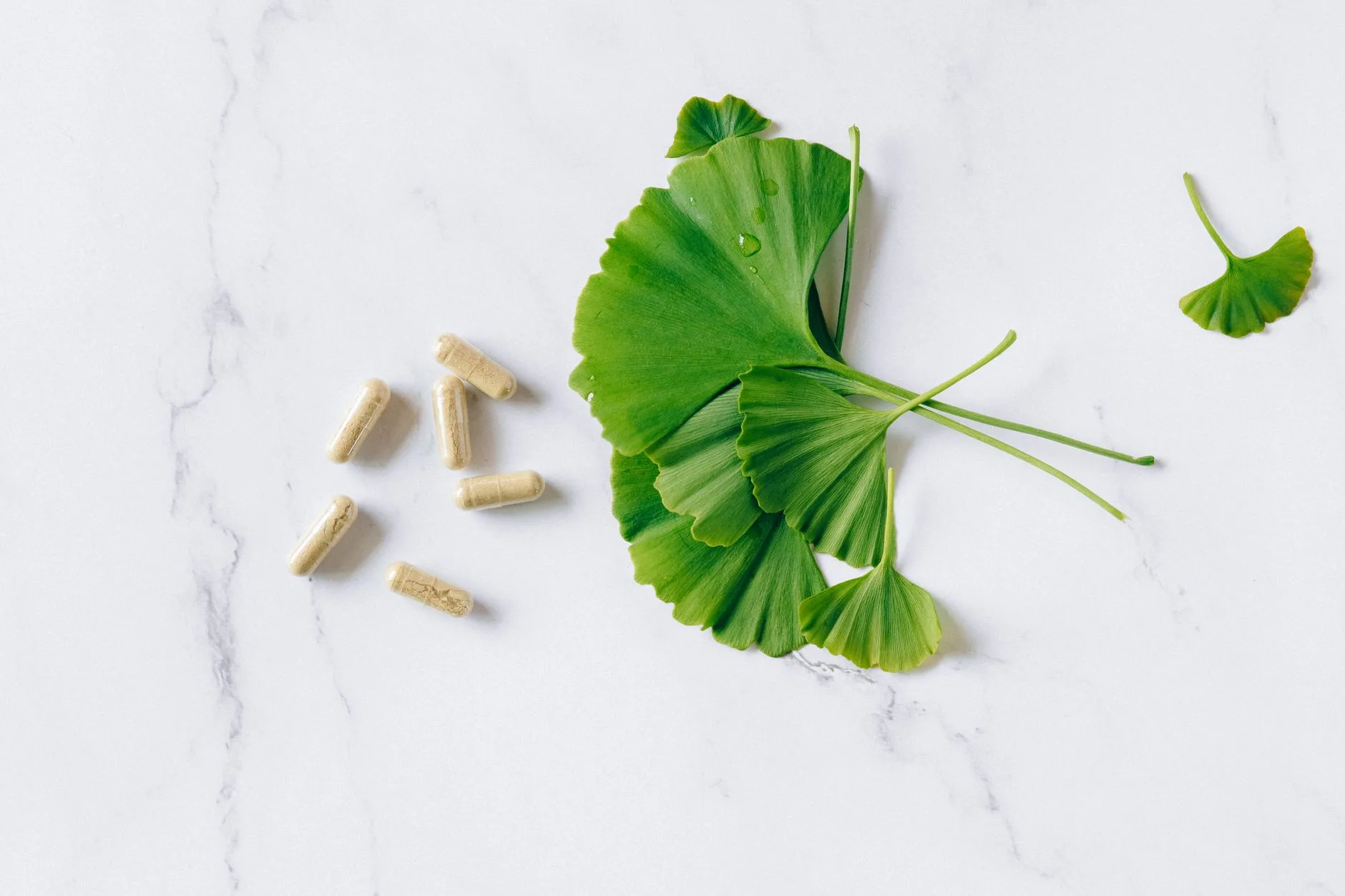
The key takeaway: Ginkgo biloba is an extract from one of the oldest living tree species, used to support cerebral circulation and neuronal protection.
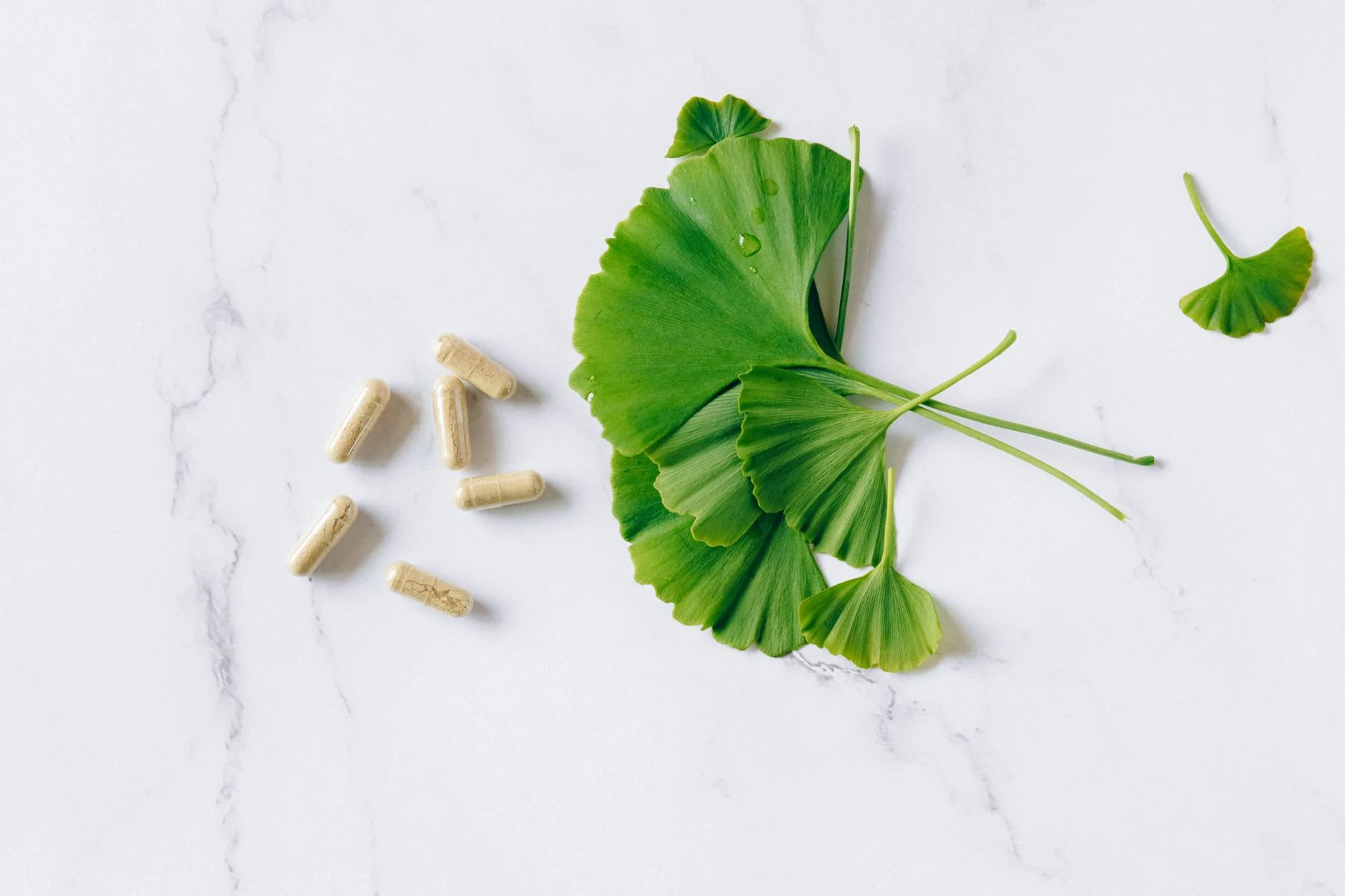
The Ginkgo biloba tree has existed for more than 200 million years, and its leaf extract has been part of traditional Chinese medicine for centuries. Modern ginkgo biloba cognitive performance research focuses on standardized extracts, particularly the formulation known as EGb 761.
Two groups of active compounds drive its effects: flavonoids (antioxidants that neutralize free radicals) and terpenoids (which help widen blood vessels and reduce platelet stickiness). Together, they improve microcirculation in brain tissue.
According to the National Center for Complementary and Integrative Health (NCCIH), ginkgo is among the most widely studied botanicals for age-related memory concerns, though evidence for prevention of dementia remains mixed.
Definition: Nootropic
A nootropic is a natural or synthetic substance that may enhance cognitive functions such as memory, creativity, focus, or motivation in healthy individuals. Many brain herbs are classified as natural nootropics.
How Ginkgo Biloba Improves Cognitive Performance

In summary: Ginkgo supports cognition through three main pathways, improved blood flow, antioxidant protection, and neurotransmitter modulation.
1. Enhanced Cerebral Blood Flow
The brain consumes roughly 20% of the body’s oxygen despite representing about 2% of body weight. By dilating small blood vessels, ginkgo helps deliver more oxygen and glucose to neurons, which can translate into sharper attention.
2. Antioxidant and Neuroprotective Action
The flavonoids in ginkgo scavenge free radicals that accumulate with age and stress. This natural neuroprotective effect may slow cellular damage in the hippocampus, the brain region central to memory formation.
3. Neurotransmitter Support
Some studies indicate ginkgo influences acetylcholine and dopamine systems, both tied to learning and mood. A systematic review published on PubMed (2014) found ginkgo extract may benefit cognition in patients with mild dementia when taken consistently.
Other Brain Herbs That Support Cognitive Performance
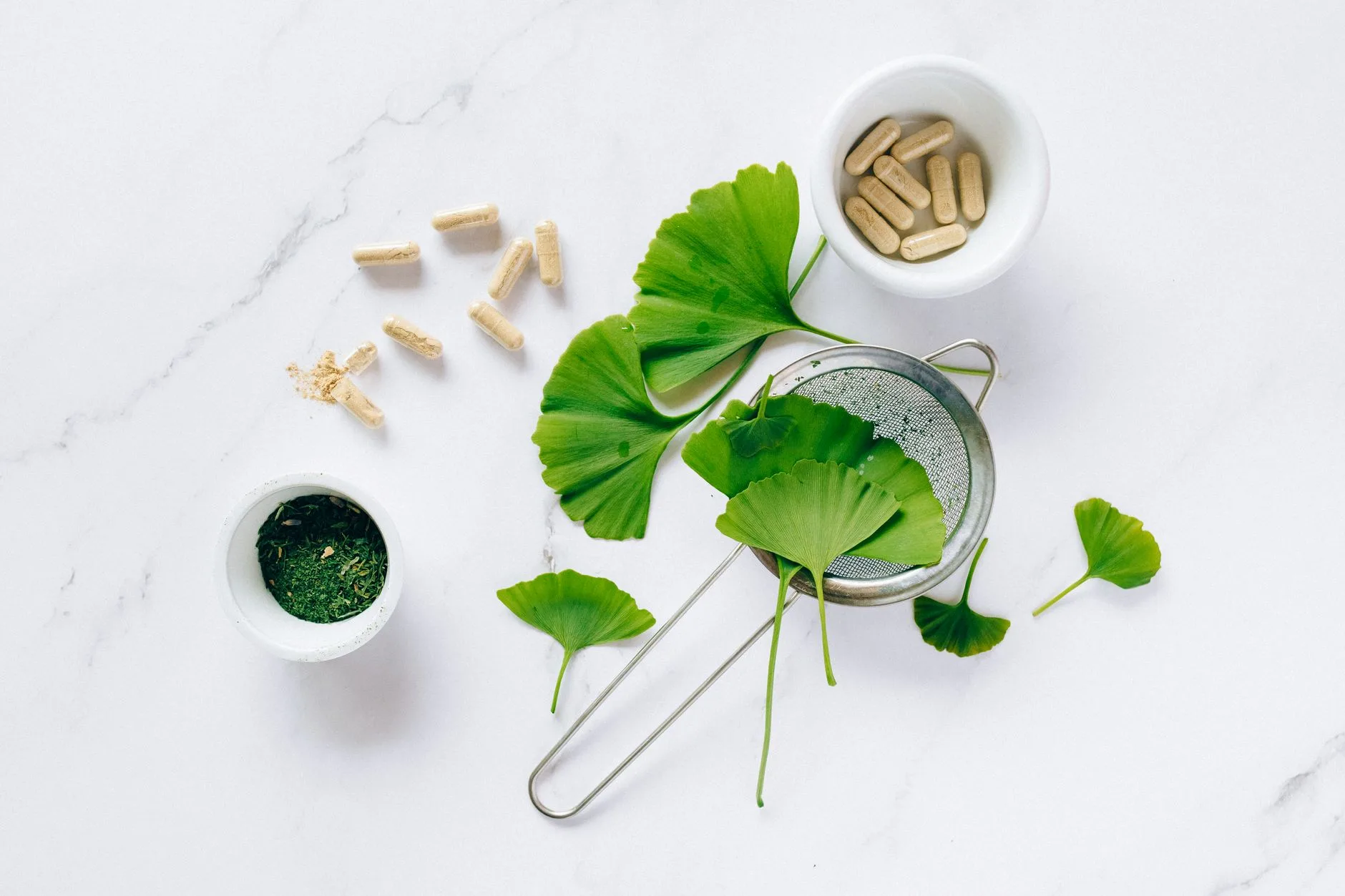
The key takeaway: Ginkgo is rarely used alone, several complementary herbs target memory, focus, and stress resilience through different mechanisms.
Bacopa Monnieri
Used in Ayurvedic tradition, Bacopa contains bacosides that support the growth of nerve endings (dendrites). Clinical trials suggest it may improve memory recall speed after about 12 weeks of daily use.
Panax Ginseng
This adaptogen may reduce mental fatigue and support working memory. Its ginsenosides interact with the nervous and immune systems to promote alertness.
Rhodiola Rosea
Rhodiola is valued for combating stress-related cognitive decline. By moderating cortisol, it may help maintain concentration and memory during periods of mental exhaustion.
Lion’s Mane Mushroom
Lion’s Mane stimulates production of nerve growth factor (NGF), a protein essential for neuron maintenance. Emerging research links it to improved mild cognitive impairment scores in older adults.
| Herb | Primary Benefit | Main Mechanism | Typical Onset |
|---|---|---|---|
| Ginkgo Biloba | Focus & recall | Cerebral blood flow | 4–12 weeks |
| Bacopa Monnieri | Memory retention | Dendrite growth | ~12 weeks |
| Panax Ginseng | Mental energy | Adaptogenic support | 2–8 weeks |
| Rhodiola Rosea | Stress resilience | Cortisol balance | 1–4 weeks |
| Lion’s Mane | Neuron repair | NGF stimulation | 8–16 weeks |
Our Editorial Insight: Why Synergy Matters More Than Single Herbs
In summary: In our analysis of cognitive support formulas, we’ve found that combinations of complementary herbs tend to outperform isolated single-ingredient products for sustained results.
When we reviewed how these herbs are typically used, one pattern stood out: ginkgo addresses circulation, Bacopa targets memory encoding, and adaptogens like Rhodiola protect against stress-driven decline. Each covers a gap the others leave open.
This is a point often missing from top search results, which treat ginkgo in isolation. We recommend evaluating any natural memory supplement by how its ingredients work together, not just by the presence of a single “headline” herb.
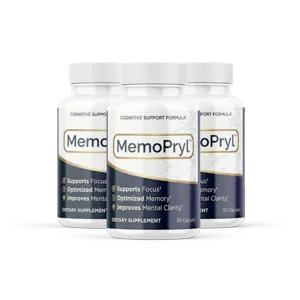
Formulas built for adults over 60, such as the Advanced Cognitive Support Formula approach used by MemoPryl, reflect this multi-pathway thinking rather than relying on one botanical alone.
Who Can Benefit from Brain Herbs?
The key takeaway: Adults noticing age-related changes in memory or focus are the most likely candidates, but expectations should stay realistic.
- Adults over 60 seeking cognitive support for seniors and everyday recall.
- Professionals managing high mental workloads and stress.
- Individuals wanting a natural neuroprotective supplement to complement a healthy lifestyle.
- People interested in vitamins and herbs for adult memory as part of preventive brain care.
The Alzheimer’s Association emphasizes that no supplement replaces core habits like physical activity, quality sleep, and social engagement for long-term brain health.
Health disclaimer: Ginkgo biloba may interact with blood-thinning medications such as warfarin and aspirin. Consult a qualified healthcare provider before starting any brain herb, especially if you take prescription drugs or have a bleeding disorder. This article is educational and not medical advice.
How to Use Ginkgo and Brain Herbs Safely
In summary: Consistency, standardized extracts, and professional guidance are the three keys to using brain herbs effectively.
- Choose standardized extracts (e.g., 24/6 for ginkgo) for predictable potency.
- Be patient: most cognitive benefits appear gradually over weeks, not days.
- Pair with lifestyle: aerobic exercise increases blood flow and amplifies herb effects.
- Monitor interactions: review all supplements with a physician if you take medication.
Frequently Asked Questions
How long does ginkgo biloba take to improve cognitive performance?
Most clinical studies report noticeable changes in memory and focus after 4 to 12 weeks of consistent daily use. Ginkgo works gradually because its benefits depend on sustained improvements in cerebral blood flow and antioxidant protection rather than a single-dose stimulant effect.
Is ginkgo biloba safe to take every day?
For most healthy adults, standardized ginkgo extract is generally well tolerated for daily use. However, it can thin the blood, so people taking anticoagulants, those with bleeding disorders, or anyone scheduled for surgery should consult a healthcare provider first.
Can brain herbs prevent memory loss in seniors?
Brain herbs may support memory and slow certain age-related declines, but current evidence does not confirm they prevent dementia. They are best viewed as one part of a broader plan that includes exercise, sleep, and a nutrient-dense diet.
What is the best herb for memory and concentration?
There is no single “best” herb, since each targets a different pathway. Ginkgo supports blood flow, Bacopa aids memory encoding, and Rhodiola improves stress resilience, which is why many effective formulas combine several complementary herbs.
Do natural memory supplements really work?
Well-formulated supplements using standardized, research-backed ingredients can produce modest but meaningful improvements in focus and recall. The most reliable products combine multiple herbs at clinically studied doses rather than relying on a single ingredient.
Conclusion
Ginkgo biloba cognitive performance is supported by decades of research pointing to improved cerebral circulation, antioxidant protection, and neurotransmitter balance. When combined with complementary brain herbs like Bacopa, Rhodiola, and Lion’s Mane, these botanicals cover multiple pathways of mental function.
The most sensible approach is to treat these herbs as one layer of a complete brain-health routine, paired with exercise, sleep, and medical guidance. Realistic expectations and consistency deliver the best results over time.
If you are exploring ways to support memory and focus after 60, understanding how multiple herbs work together is the practical next step. Formulas like MemoPryl’s Advanced Cognitive Support Formula, backed by a 60-day guarantee and a 4.9/5 rating, were designed around this multi-pathway approach for older adults. Explore the science and ingredient rationale to decide what fits your routine.