Age-Related Memory Loss: Why It Happens and How to Combat It
Age-related memory loss causes and treatment options explained clearly—discover why it happens and effective strategies to protect cognitive health.
Age-related memory loss causes and treatment options rank among the most searched health topics for adults over 60, and for good reason: nearly everyone notices some change in recall speed or word-finding ability as they age. In most cases, this slowdown reflects normal shifts in brain structure and chemistry rather than a disease process. Understanding what drives these changes, and which interventions are actually backed by research, makes it possible to protect cognitive function for years to come.
- Age-related memory loss is a normal, gradual process distinct from dementia and typically involves slower recall, not lost knowledge.
- Common causes include brain volume changes, reduced blood flow, hormonal shifts, sleep disruption, and certain medications.
- According to the Lancet Commission on Dementia Prevention (2020), up to 40% of dementia cases are linked to modifiable risk factors.
- Exercise, sleep, nutrition, mental stimulation, and targeted nutritional support are the most evidence-backed ways to combat cognitive decline.
- Sudden or rapidly worsening memory loss that disrupts daily life warrants a medical evaluation, not just lifestyle changes.
What Is Age-Related Memory Loss?
Age-related memory loss is a mild, gradual decline in recall speed and short-term memory that occurs as part of normal aging, distinct from dementia or Alzheimer’s disease. Clinically, this pattern is sometimes labeled Age-Associated Memory Impairment (AAMI), a term used to describe forgetfulness that does not interfere with a person’s ability to live independently. The key difference is that people with AAMI eventually recall the information, while those with more serious cognitive decline often do not.
According to the National Institute on Aging (NIA), occasional forgetfulness — misplacing keys, blanking on a name momentarily, or needing more time to learn new information — is a typical part of healthy brain aging. This differs sharply from memory loss that disrupts daily routines, which may signal a more serious underlying condition.
Why Does Memory Decline With Age? The Main Causes

Memory changes with age largely because of physical shifts in brain structure, reduced blood flow, hormonal changes, and lifestyle factors that accumulate over decades. No single cause explains cognitive decline in every individual — it is typically a combination of biological aging and modifiable habits. Below are the primary contributors identified in current research.
Brain Structure and Volume Changes
The brain aging process includes measurable shrinkage in regions responsible for memory, particularly the hippocampus. Research summarized by the NIA indicates that healthy brains can lose roughly 5% of total volume per decade after age 40, with the hippocampus shrinking at a comparable or slightly faster rate after 65. This structural loss reduces the efficiency of encoding and retrieving new information, even without any disease process involved.
Vascular and Hormonal Factors
Reduced blood flow to the brain, often linked to high blood pressure, high cholesterol, or diabetes, limits the oxygen and nutrients available for optimal neuron function. Hormonal shifts — including declining estrogen after menopause and reduced growth hormone production in men — also affect neurotransmitter activity tied to memory formation. These vascular and hormonal changes explain why cardiovascular health and cognitive health are so closely linked in the medical literature.
Lifestyle and Environmental Contributors
Chronic stress, poor sleep quality, physical inactivity, and social isolation all accelerate the perception and progression of memory decline. Sleep in particular plays a direct role: the brain consolidates short-term memories into long-term storage primarily during deep sleep stages. Adults who consistently sleep fewer than six hours per night show measurably weaker recall performance in cognitive testing.
Medications and Medical Conditions
Certain medications, including some antihistamines, sleep aids, and anticholinergic drugs, are known to impair short-term memory as a side effect. Underlying conditions such as thyroid dysfunction, vitamin B12 deficiency, depression, and untreated sleep apnea can also mimic or worsen age-related memory symptoms. This is one reason a medical review of current prescriptions is often the first step recommended before assuming memory changes are purely age-related.
Normal Forgetfulness vs. Warning Signs of Dementia
The key takeaway: normal age-related forgetfulness is intermittent and does not interfere with independent daily functioning, while dementia-related memory loss is progressive and disruptive. Distinguishing between the two early helps determine whether lifestyle strategies are sufficient or whether medical evaluation is needed.
| Normal Age-Related Forgetfulness | Possible Warning Signs of Dementia |
|---|---|
| Occasionally forgetting names, later remembered | Forgetting names of close family members repeatedly |
| Misplacing items but retracing steps to find them | Placing items in illogical locations and being unable to retrace steps |
| Needing more time to learn new technology | Being unable to follow simple, familiar instructions |
| Occasionally losing track of the day of the week | Becoming disoriented in familiar places |
| Word-finding pauses in conversation | Repeating the same questions or stories within minutes |
The Alzheimer’s Association’s 10 Warning Signs resource offers a detailed checklist for families who want a structured way to evaluate whether memory changes fall outside the range of normal aging. Readers concerned about persistent fog or confusion may also find it useful to review whether brain fog is a sign of dementia or simply a treatable, temporary symptom.
How to Combat Age-Related Memory Loss: Evidence-Based Strategies
The most effective way to combat age-related memory loss combines regular physical activity, quality sleep, a nutrient-dense diet, mental stimulation, and social engagement. No single habit works in isolation — research consistently shows that combined lifestyle interventions produce the strongest cognitive benefits over time.
Physical Exercise
Aerobic exercise increases blood flow to the brain and promotes the release of brain-derived neurotrophic factor (BDNF), a protein linked to neuron growth and memory formation. A widely cited study reported by NPR (2022) found that faster walking speed in adults in their 80s was associated with roughly half the risk of cognitive decline compared to slower walkers. Readers can explore additional detail on this connection in our coverage of how fast walkers in their 80s cut cognitive decline risk in half.
Nutrition and Diet
Diets rich in omega-3 fatty acids, antioxidants, and B vitamins are consistently associated with slower cognitive decline in observational studies. The Mediterranean and MIND diets, both emphasizing leafy greens, fish, nuts, and olive oil, are the two dietary patterns most frequently cited in cognitive aging research. However, not all nutrient interventions perform equally — for example, one notable finding published via News-Medical’s report on high-dose DHA found that DHA reaching the brain did not, by itself, protect memory function, underscoring that isolated nutrients are rarely a complete solution.
Sleep and Stress Management
Deep, uninterrupted sleep allows the brain to clear metabolic waste products and consolidate memories formed during the day. Chronic stress elevates cortisol, which over time can impair hippocampal function and accelerate memory decline. Prioritizing consistent sleep schedules and stress-reduction practices such as mindfulness or light daily movement supports both memory retention and overall brain aging.
Mental Stimulation and Social Engagement
Cognitively demanding activities — reading, learning a new skill, playing strategy games — help build what researchers call cognitive reserve, the brain’s capacity to compensate for age-related changes. Social interaction independently supports memory performance, likely because conversation itself is a complex cognitive task involving attention, language retrieval, and emotional processing. For a structured approach to building these habits, our guide on how to improve memory naturally at 60+ outlines seven science-backed strategies in detail.
“Around 40% of dementia cases worldwide are attributable to 12 potentially modifiable risk factors across the life course.”
— Dr. Gill Livingston, Lead Author, Lancet Commission on Dementia Prevention, Intervention, and Care (2020)
The Role of Targeted Nutritional Support in Cognitive Health
In our analysis of cognitive support strategies for adults over 60, targeted nutritional formulas are often used alongside — not instead of — core lifestyle habits like exercise and sleep. A natural memory supplement designed specifically for older adults typically combines vitamins, botanical extracts, and antioxidants intended to support neurological function and healthy blood flow to the brain.
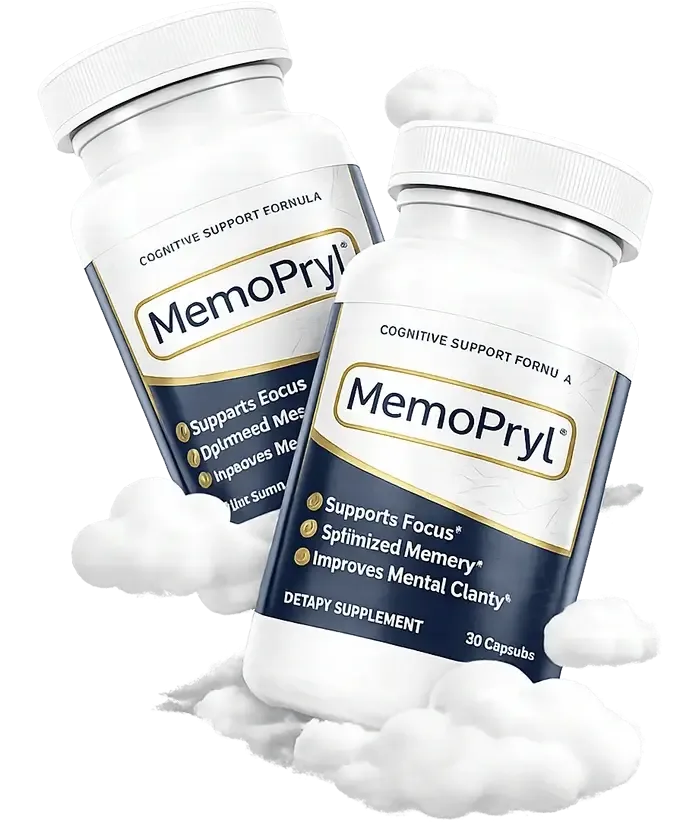
We’ve found that products positioned as an advanced cognitive formula, such as MemoPryl, are formulated around ingredients studied for their role in brain health for seniors rather than generic multivitamin blends. MemoPryl is built specifically for adults over 60 seeking neurological support and includes a 60-day money-back guarantee, which reflects a level of confidence not all supplement brands in this category offer. Readers evaluating whether this category of product fits their needs may also want to compare a memory supplement’s potential to help prevent dementia against lifestyle-only approaches.
It is worth noting that supplements are not a substitute for medical treatment when memory loss is linked to an underlying condition. For a broader view of what the evidence actually shows, our detailed review of whether supplements can really slow cognitive dec