Can memory supplements help prevent dementia?
Can a memory supplement for dementia prevention actually work? See the science on nutrients, brain health, and what really protects memory as you age.
A memory supplement for dementia prevention may support brain health, but no supplement is proven to prevent dementia on its own. Current evidence suggests certain nutrients help maintain cognitive function in adults who have specific deficiencies, while overall dementia risk depends far more on diet, exercise, sleep, and vascular health.
This guide explains what the science actually shows, which ingredients have research behind them, and how a natural memory supplement fits into a realistic brain-protection plan for adults over 60.
Key Takeaways
- No supplement is medically approved to prevent or cure dementia; claims stating otherwise are red flags.
- Nutrients like omega-3 DHA, B vitamins, and vitamin D show the strongest evidence, mostly in people with deficiencies.
- Lifestyle factors account for roughly 45% of dementia risk that could be modified, according to major reviews.
- A quality supplement for brain health works best as one part of a broader strategy, not a standalone fix.
- Choose transparent formulas with third-party testing and clear ingredient dosages.
What Is a Memory Supplement for Dementia Prevention?

The key takeaway: A memory supplement for dementia prevention is a dietary product combining vitamins, minerals, plant extracts, or fatty acids intended to support cognitive function and protect neurons.
These products are classified as natural supplements for memory, not drugs. That means they aim to support normal brain function rather than treat diagnosed disease.
Common categories include neuroprotective botanicals (such as Ginkgo biloba and Bacopa monnieri), omega-3 fatty acids, B-complex vitamins, and antioxidants. Each targets a different mechanism, from blood flow to inflammation to neurotransmitter support.
Definition: Neuroprotection
Neuroprotection refers to mechanisms that preserve neuron structure and function against damage from oxidative stress, inflammation, or reduced blood flow. A natural neuroprotective supplement claims to support these mechanisms through nutrients that the brain uses for repair and defense.
Can Supplements Actually Prevent Dementia?
The key takeaway: Current evidence does not support the claim that any supplement prevents dementia in the general population, but some nutrients help in people with deficiencies.
Large systematic reviews have found weak or inconsistent results for most standalone supplements. The strongest signals appear when a person corrects a genuine nutritional gap.
According to the Lancet Commission on dementia prevention (2020), up to 40% of dementia cases are linked to 12 modifiable risk factors — none of which is “supplement deficiency” in isolation. This reframes supplements as a supporting tool, not a primary shield.
Where Supplements May Genuinely Help
In our analysis of the published research, supplements deliver the clearest benefit in three situations: correcting a deficiency, supporting cardiovascular health, and reducing chronic inflammation. Outside these contexts, results tend to be modest.
For example, an older adult with low vitamin B12 or vitamin D may see measurable cognitive and mood improvements after correcting the gap. A healthy, well-nourished adult is far less likely to notice a change.
Which Ingredients Have Real Evidence?
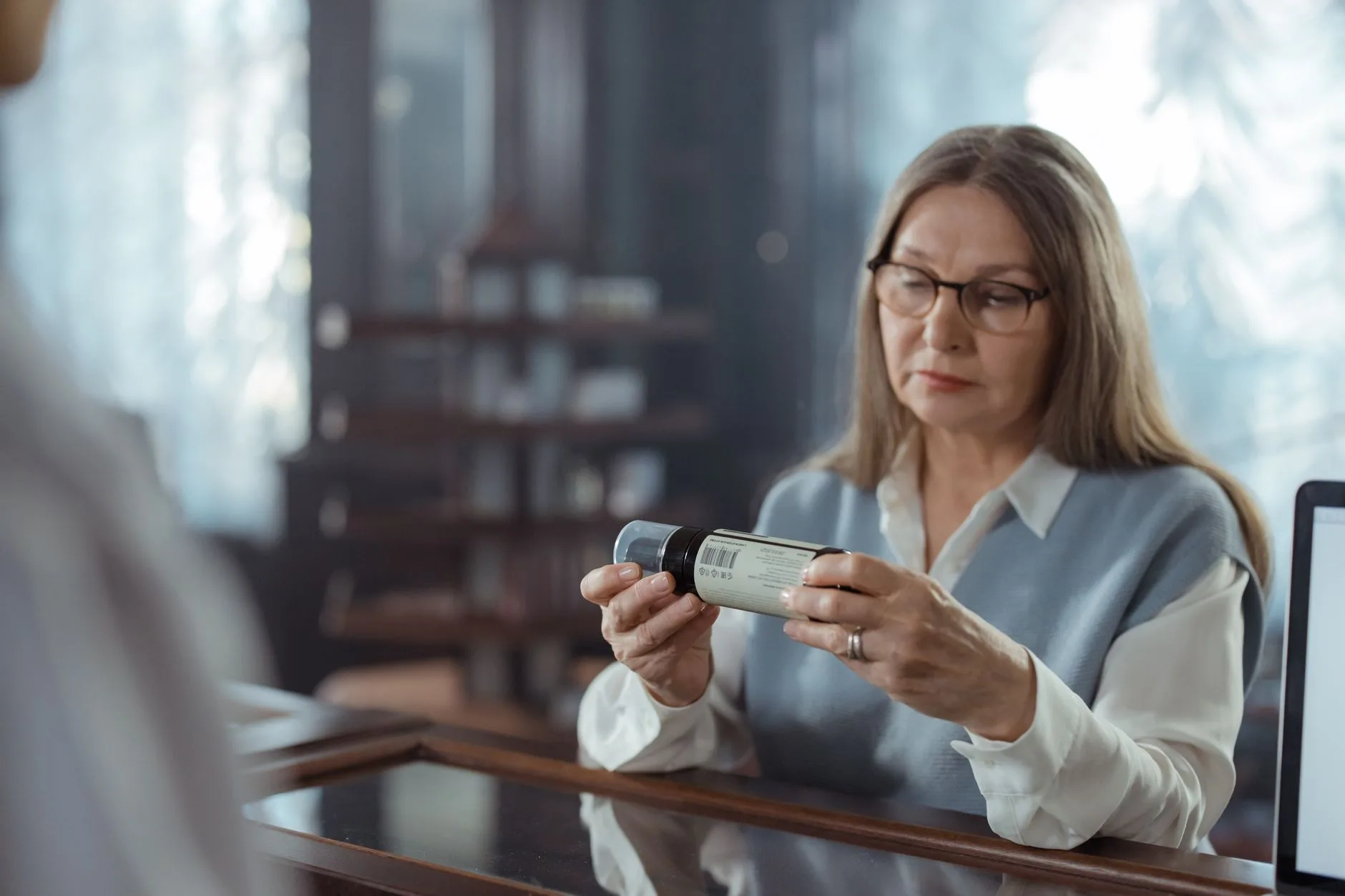
The key takeaway: Omega-3 DHA, B vitamins (B6, B9, B12), vitamin D, and select botanicals have the most credible research for supporting brain health.
Below is a summary of the most-studied ingredients found in vitamins for memory in adults, with an honest assessment of the evidence.
| Ingredient | Proposed Mechanism | Evidence Strength |
|---|---|---|
| Omega-3 DHA | Builds neuron membranes, reduces inflammation | Moderate |
| Vitamin B12 & B9 (folate) | Lowers homocysteine, supports nerve function | Moderate (in deficiency) |
| Vitamin D | Neuronal signaling, immune regulation | Moderate (in deficiency) |
| Bacopa monnieri | Antioxidant, may aid memory recall | Emerging |
| Ginkgo biloba | Improves cerebral blood flow | Mixed / weak |
| Phosphatidylserine | Cell membrane component for neurons | Emerging |
The National Institute on Aging (NIA) notes that no dietary supplement has been shown to prevent or slow Alzheimer’s disease, while acknowledging that specific nutrients matter for overall brain function.
Information Gain: The “Deficiency-First” Framework
Here is a perspective rarely stated plainly in most guides: supplements act like patches, not upgrades. They repair a shortfall but rarely push a well-nourished brain beyond its baseline.
We recommend adults over 60 request a simple blood panel — vitamin B12, vitamin D, folate, and homocysteine — before starting any regimen. This “deficiency-first” approach turns a guess into a targeted decision and avoids spending on nutrients you already have in sufficient amounts.
How Does Brain Health Decline With Age?
The key takeaway: Age-related cognitive decline involves reduced blood flow, oxidative stress, and slower neuron repair — processes that nutrition and lifestyle can influence.
By age 60, the brain naturally processes information more slowly and stores new memories less efficiently. This is normal aging, distinct from dementia.
Dementia occurs when neuron damage becomes severe enough to interfere with daily life. Vascular health plays a large role, which is why conditions like high blood pressure and diabetes raise risk. Supporting cognitive support for seniors therefore overlaps heavily with protecting the heart and blood vessels.
Normal Aging vs. Dementia
Normal Aging
- Occasionally forgetting names, then recalling them later
- Slower to learn new tasks
- Misplacing items but retracing steps
- Making an occasional bad decision
Warning Signs of Dementia
- Memory loss that disrupts daily life
- Difficulty completing familiar tasks
- Confusion with time or place
- Withdrawal from work or social activities
How to Choose a Quality Memory Supplement
The key takeaway: Look for transparent labeling, evidence-based ingredients at effective doses, third-party testing, and a clear satisfaction guarantee.
The supplement market is crowded, and quality varies widely. A well-formulated advanced cognitive support formula should tell you exactly what is inside and how much.
- Ingredient transparency: Full dosages listed, no vague “proprietary blends” hiding amounts.
- Evidence-based components: Nutrients with published research, not trend-driven fillers.
- Third-party testing: Independent verification for purity and potency.
- Realistic claims: Language about “support,” not promises to “cure” or “prevent dementia.”
- Consumer protection: A satisfaction guarantee, such as a 60-day return window, signals confidence.
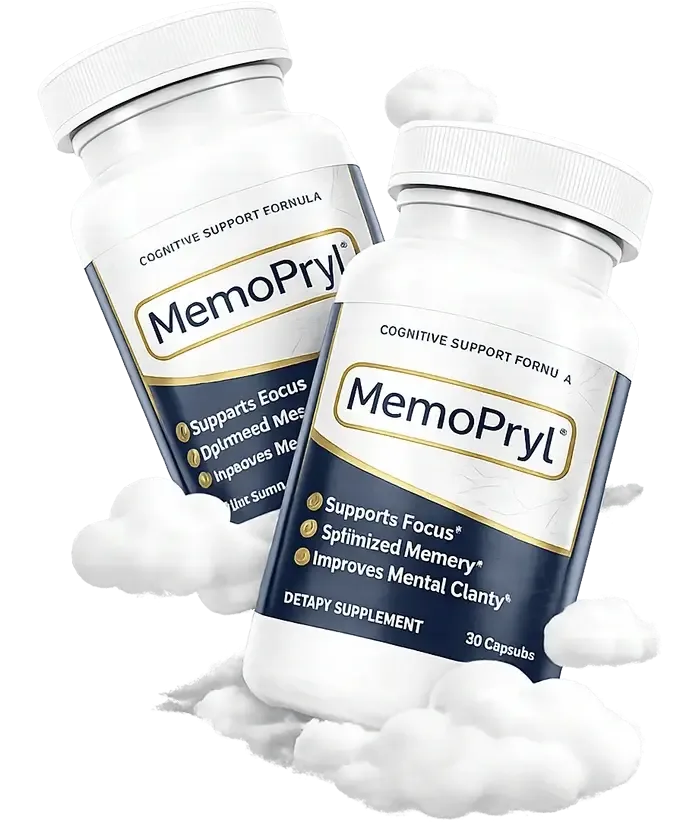
In our review of the category, brands built specifically for older adults tend to focus on memory and concentration improvement through combinations of B vitamins, omega-3s, and neuroprotective botanicals. MemoPryl is one example of a natural memory supplement designed for adults over 60, pairing an advanced cognitive support formula with a 60-day satisfaction guarantee — a structure that reflects the transparency and consumer-protection standards discussed above.
Ingredients to Approach With Caution
Not every popular ingredient earns its reputation. Ginkgo biloba, for instance, shows mixed results and can interact with blood thinners. High-dose vitamin E has been associated with risks in some studies, so more is not better.
Always review interactions with any prescription medication before combining products. A pharmacist is an underused, free resource for this exact question.
Lifestyle Factors That Outperform Any Pill
The key takeaway: Diet, physical activity, sleep, social engagement, and blood-pressure control have stronger evidence for reducing dementia risk than any supplement.
The U.S. Centers for Disease Control and Prevention (CDC) highlights physical activity, managing blood pressure, and staying mentally engaged as core protective actions.
- Mediterranean or MIND diet: Rich in leafy greens, berries, fish, and olive oil.
- Regular exercise: 150 minutes weekly improves blood flow to the brain.
- Quality sleep: Deep sleep clears metabolic waste linked to Alzheimer’s.
- Social and cognitive activity: Learning and connection build cognitive reserve.
- Hearing care: Treating hearing loss is one of the largest modifiable factors.
A supplement for brain health works best layered on top of these habits — never as a substitute for them. Think of nutrients as fine-tuning after the foundation is set.
Frequently Asked Questions
Can memory supplements prevent dementia?
No supplement is proven to prevent dementia. Certain nutrients — especially omega-3 DHA, B vitamins, and vitamin D — may support cognitive function, particularly in people with deficiencies, but they are one part of a broader prevention strategy that centers on diet, exercise, and vascular health.
What is the best natural supplement for memory in older adults?
The best choice depends on individual needs, but formulas combining omega-3 DHA, B-complex vitamins, and vitamin D have the strongest supporting evidence. For adults over 60, a transparent product with listed dosages, third-party testing, and a satisfaction guarantee is generally the safest starting point.
How long does a memory supplement take to work?
Effects, when present, typically develop gradually over 8 to 12 weeks of consistent use. Nutrients need time to correct deficiencies and integrate into brain tissue, so immediate improvement is unlikely and should be viewed skeptically if advertised.
Are memory supplements safe for seniors?
Most vitamin-based supplements are safe at recommended doses, but botanicals like Ginkgo biloba can interact with blood thinners and other medications. Adults over 60 should review any supplement with a physician or pharmacist, especially when taking prescription drugs.
What is the difference between MemoPryl and MemoPezil?
These are separate products with similar-sounding names. MemoPryl is positioned as a natural memory supplement with an advanced cognitive support formula for adults over 60. Always verify the exact ingredient list and manufacturer of any product before starting it, since similar names can cause confusion.
Conclusion
The key takeaway: A memory supplement for dementia prevention can support brain health, but it is not a substitute for proven lifestyle changes and medical care.
The most honest conclusion the science allows is this: supplements help most when they fill a real nutritional gap, and they help least when used as a magic bullet. Correct deficiencies, protect your heart and blood vessels, stay active and engaged, and treat any supplement as reinforcement rather than the foundation.
For adults over 60, a transparent, well-formulated natural supplement for memory — chosen with a physician’s input — can be a reasonable addition to an already-healthy routine.
If you are building a brain-health routine and want a formula designed specifically for adults over 60, it helps to explore resources that combine an advanced cognitive support formula with clear labeling and a 60-day satisfaction guarantee.
MemoPryl publishes detailed information about its natural memory and cognitive support formula, which you can review as part of your own research alongside a healthcare professional.