Cognitive Decline in Aging: Can Supplements Really Slow It Down?
Cognitive decline aging supplements: discover what the science actually shows, which ingredients have evidence, and how to protect brain health after 60.
Cognitive decline aging supplements can offer modest support for memory and mental clarity in some older adults, but no supplement reverses age-related brain aging or replaces the proven benefits of exercise, sleep, and diet. The evidence is strongest for correcting specific nutrient deficiencies (like B12) and weaker for broad “brain-boosting” claims. This guide breaks down what actually works, what doesn’t, and how to make evidence-based choices.
Key Takeaways
- Supplements are supportive, not curative — they may help correct deficiencies but won’t reverse established cognitive decline.
- The strongest evidence exists for B vitamins, omega-3s (in deficient individuals), and vitamin D.
- Lifestyle factors — physical activity, sleep, and social engagement — outperform any single pill.
- Quality and third-party testing matter far more than marketing claims.
- Always consult a physician before combining supplements with prescription medication.
What Is Cognitive Decline in Aging?

The key takeaway: Cognitive decline is the gradual reduction in memory, processing speed, and reasoning that accompanies normal aging — distinct from dementia, which is a more severe, disease-driven impairment.
Most adults notice slower recall or occasional word-finding difficulty by their 60s. This is often age-associated memory impairment, a natural part of healthy brain aging rather than a pathological condition.
According to the U.S. National Institute on Aging, mild forgetfulness that doesn’t disrupt daily life is typical, while consistent difficulty with familiar tasks warrants medical evaluation. Understanding this distinction helps set realistic expectations for any intervention, including supplements.
Normal Aging vs. Mild Cognitive Impairment vs. Dementia
These three states exist on a spectrum. Normal aging involves minor lapses; mild cognitive impairment (MCI) shows measurable decline beyond expected levels; dementia significantly impairs independence.
| Condition | Memory Impact | Daily Function |
|---|---|---|
| Normal Aging | Occasional slower recall | Fully independent |
| Mild Cognitive Impairment | Noticeable, measurable decline | Mostly independent |
| Dementia | Severe memory loss | Requires assistance |
Why Does the Aging Brain Decline?

The key takeaway: The aging brain declines due to a combination of reduced blood flow, oxidative stress, inflammation, and nutrient shortfalls that accumulate over decades.
Neurons lose synaptic connections and the brain’s volume gradually shrinks. Chronic low-grade inflammation — sometimes called “inflammaging” — accelerates this process and is a target for several nutritional interventions.
Nutrient absorption also drops with age. Older adults commonly develop vitamin B12 deficiency, which independently causes memory problems and is fully reversible when corrected — one of the few clear cases where a supplement directly addresses a cause of decline.
The 45% figure comes from the Lancet Commission on dementia prevention (2024), which identified 14 modifiable risk factors — a reminder that lifestyle changes offer more leverage than any capsule.
Can Supplements Really Slow Cognitive Decline?

The key takeaway: Supplements can help slow decline mainly by correcting deficiencies and supporting vascular and neurological health — but they are not a substitute for medical treatment or lifestyle change.
The scientific consensus is nuanced. In well-nourished adults, most “brain” supplements show little measurable effect. In those with deficiencies or specific risk factors, targeted supplementation can produce meaningful improvement.
A large trial on omega-3 fatty acids illustrates this. Research summarized in reporting on high-dose DHA and memory protection found that DHA reached the brain but did not reliably protect memory in already-healthy participants — underscoring that context determines benefit.
“There’s very little evidence that any supplement can prevent cognitive decline or dementia in healthy older adults.”
— Dr. Ronald Petersen, Director, Mayo Clinic Alzheimer’s Disease Research Center
Our Editorial Perspective on the Evidence Gap
In our analysis of the supplement research, we’ve found a consistent pattern the marketing rarely mentions: baseline nutritional status is the single biggest predictor of whether a supplement helps. A person with adequate B12, D, and omega-3 levels gains almost nothing from more; a deficient person can improve substantially.
We recommend readers treat any product promising to “reverse” aging with skepticism, and instead view natural memory supplements as one component of a broader brain-health strategy. This framing — supplement as insurance against deficiency rather than a cure — is where the evidence is strongest.
Which Ingredients Have Real Scientific Support?
The key takeaway: A handful of ingredients — B vitamins, omega-3s, vitamin D, and possibly ginkgo biloba — have research behind them, while many trendy “nootropics” lack rigorous evidence in aging populations.
| Ingredient | Evidence Level | Best For |
|---|---|---|
| Vitamin B12 / Folate | Strong (in deficiency) | Reversing deficiency-linked memory loss |
| Omega-3 (DHA/EPA) | Moderate | Vascular and neuronal support |
| Vitamin D | Moderate | Correcting low levels tied to cognition |
| Ginkgo Biloba | Mixed | Blood flow support |
| Bacopa Monnieri | Emerging | Memory formation |
Ginkgo has a long history in neurological support formulas. Our deeper look at how ginkgo biloba and other brain herbs affect cognitive performance explains why results vary so widely between studies.
Pros of Cognitive Supplements
- Correct common age-related deficiencies
- Support vascular and neuronal health
- Generally low risk when third-party tested
- Convenient, non-prescription access
Cons of Cognitive Supplements
- Limited effect in well-nourished people
- Inconsistent product quality across brands
- Possible interactions with medications
- Marketing often overstates benefits
How to Choose a Quality Cognitive Supplement
The key takeaway: Prioritize third-party testing, transparent dosing, and evidence-based ingredients over proprietary blends and exaggerated marketing claims.
Look for certification from organizations like USP (United States Pharmacopeia) or NSF, which verify that a product contains what its label states.
An advanced cognitive formula should disclose exact amounts of each ingredient rather than hiding them inside a proprietary blend. Reasonable clinical-range dosing matters more than a long list of trendy additives.
Health disclaimer: This article is for educational purposes only and does not constitute medical advice. Supplements can interact with medications and are not a treatment for dementia or any diagnosed condition. Consult a qualified healthcare provider before starting any new supplement, especially if you take prescription drugs or have a chronic illness.
Where MemoPryl Fits in the Category
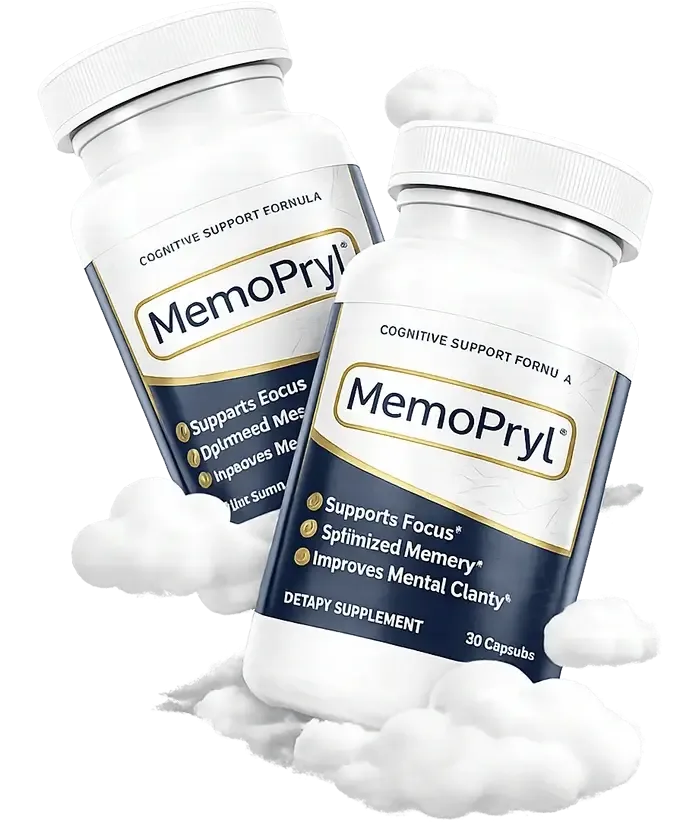
MemoPryl is positioned as a natural brain health supplement for seniors, formulated for adults over 60 who want combined nutritional and herbal support. Its approach reflects the evidence-based principle we outlined earlier: pairing well-studied nutrients with botanical ingredients rather than relying on a single “miracle” compound.
For readers weighing options, the brand’s Garantia de 60 dias (60-day money-back guarantee) reduces the risk of trying a formula that may not suit every individual — a practical consideration in a category where personal response varies widely.
Lifestyle Habits That Beat Any Pill
The key takeaway: Physical exercise, quality sleep, a Mediterranean-style diet, and social engagement have stronger evidence for protecting cognition than any supplement.
A striking example: research reported by a study on fast walkers in their 80s cutting cognitive-decline risk by half shows how powerful simple movement can be for the aging brain.
- Exercise: Aerobic activity boosts blood flow and supports new neuron growth.
- Sleep: Deep sleep clears metabolic waste from the brain.
- Diet: The MIND and Mediterranean diets are linked to slower decline.
- Social connection: Regular interaction protects cognitive reserve.
For a practical starting point, our guide on how to improve memory naturally at 60+ with science-backed strategies details specific daily habits worth adopting.
Frequently Asked Questions
What is the best supplement to slow cognitive decline in aging?
There is no single “best” supplement for everyone. The strongest evidence supports correcting deficiencies with vitamin B12, folate, vitamin D, and omega-3 fatty acids. For adults over 60 with adequate nutrition, benefits from any single product are usually modest, so lifestyle changes should come first.
Can supplements reverse memory loss that has already happened?
Supplements cannot reverse established, disease-driven memory loss such as Alzheimer’s. However, memory problems caused by a correctable nutrient deficiency — most notably B12 — can improve significantly once the deficiency is addressed. A physician can test for these underlying causes.
Are natural brain supplements safer than prescription medication?
“Natural” does not automatically mean safer. Supplements can still interact with medications and vary in quality. For a detailed comparison, see our analysis of natural brain supplements versus prescription medications. Always consult your doctor before combining them.
How long does it take for cognitive supplements to work?
Timeframes vary by ingredient. Correcting a B12 deficiency may show benefits within weeks, while omega-3s and botanical formulas are typically studied over 8 to 24 weeks. Consistent use and realistic expectations are important, as effects are usually gradual rather than dramatic.
Can memory supplements help prevent dementia?
Current evidence does not show that supplements prevent dementia in healthy adults. We explore this question in depth in our article on whether memory supplements can help prevent dementia. Focus on the modifiable risk factors identified by major research bodies for the greatest protective effect.
Conclusion
The key takeaway: Supplements play a supporting role in healthy brain aging — most valuable for correcting deficiencies — but they cannot outperform proven lifestyle habits or replace medical care.
The most realistic strategy combines an evidence-based diet, regular exercise, quality sleep, and social engagement, with targeted supplementation used to fill genuine nutritional gaps. Approaching cognitive decline aging supplements as one tool within a broader plan — rather than a standalone solution — leads to the best long-term outcomes.
Quality and transparency should guide every purchase decision, and a physician should always be part of the conversation for adults over 60.
If you’ve decided that targeted nutritional support belongs in your brain-health routine, choosing a transparent, senior-focused formula is the sensible next step. MemoPryl was developed for adults over 60 who want natural cognitive support built around well-studied ingredients, backed by a 60-day money-back guarantee that lets you evaluate how your body responds.