Natural Brain Supplements vs Prescription Medications: What Works Better?
Natural brain supplements vs prescription medications: compare safety, cost, and results to find what actually works for memory and focus in 2026.
When comparing natural brain supplements vs prescription medications, the honest answer is that they serve different purposes: prescription drugs treat diagnosed conditions like Alzheimer’s or ADHD, while natural supplements aim to support everyday memory, focus, and long-term brain health. For most healthy adults over 60 seeking gentle cognitive support, quality supplements offer a lower-risk starting point — but they are not a substitute for medication when a medical condition is present.
Key Takeaways
- Prescription medications are FDA-regulated and clinically proven for specific diagnoses, but carry more side effects.
- Natural brain supplements support general cognitive health with fewer side effects, though evidence varies by ingredient.
- Cost, safety, and regulation differ sharply between the two categories.
- Neither replaces the other — the right choice depends on whether you have a diagnosed condition or want preventive support.
- Always consult a physician before combining supplements with any medication.
What Are Natural Brain Supplements?

The key takeaway: Natural brain supplements are non-prescription formulas made from vitamins, herbs, and nutrients designed to support memory, focus, and overall brain function.
A natural supplement for memory typically combines ingredients such as ginkgo biloba, bacopa monnieri, phosphatidylserine, omega-3 fatty acids, and B-vitamins. These work by supporting blood flow, neurotransmitter activity, and cellular protection in the brain.
Because they are classified as dietary supplements, they do not require a prescription and are not intended to treat, cure, or prevent disease. Their appeal lies in cognitive support for seniors who want daily maintenance rather than treatment for a diagnosed illness.
Evidence quality varies by ingredient. For example, research published by the National Institute on Aging notes that some nutrients show promise for cognitive support, though large-scale proof remains an ongoing area of study.
Common Ingredients in a Brain Health Formula
- Ginkgo biloba — supports cerebral circulation
- Bacopa monnieri — studied for memory retention
- Omega-3 (DHA/EPA) — supports neuronal membrane health
- Phosphatidylserine — linked to cognitive maintenance
- B-vitamins (B6, B9, B12) — support nerve function and homocysteine metabolism
What Are Prescription Cognitive Medications?

The key takeaway: Prescription cognitive medications are physician-prescribed, FDA-regulated drugs used to treat diagnosed neurological or psychiatric conditions.
Common examples include cholinesterase inhibitors like donepezil (Aricept) and rivastigmine for Alzheimer’s, memantine for moderate-to-severe dementia, and stimulants such as methylphenidate for ADHD. These are targeted treatments, not general wellness products.
Unlike supplements, these medications undergo rigorous clinical trials before approval. The U.S. Food and Drug Administration requires proof of safety and efficacy for the specific condition they treat.
The trade-off is a higher likelihood of side effects — including nausea, insomnia, dizziness, and cardiovascular strain — and the requirement of ongoing medical supervision.
Natural Brain Supplements vs Prescription Medications: Side-by-Side Comparison

The key takeaway: Supplements win on safety and accessibility; prescriptions win on clinical proof for diagnosed conditions.
| Criteria | Natural Brain Supplements | Prescription Medications |
|---|---|---|
| Cost | Generally lower, no doctor visit required | Higher; often requires consultations and monitoring |
| Performance / Efficacy | Supportive; best for maintenance and mild concerns | Clinically proven for specific diagnosed conditions |
| User Experience | Easy access, gentle daily use, minimal side effects | Requires diagnosis, prescription, and follow-ups |
| Support / Oversight | Self-directed; brand guarantees vary | Full medical supervision and dosing management |
| Regulation | Regulated as dietary supplements (not disease treatment) | FDA-approved for specific medical uses |
| Side Effects | Typically mild and infrequent | More frequent and potentially significant |
Pros and Cons of Each Option
The key takeaway: Your best choice depends on whether you are managing a diagnosis or supporting healthy aging.
Natural Brain Supplements
Pros
- No prescription needed
- Fewer and milder side effects
- Good for daily cognitive maintenance
- Often includes satisfaction guarantees
Cons
- Not intended to treat diagnosed disease
- Evidence strength varies by ingredient
- Quality differs widely between brands
- Results build gradually over weeks
Explore Natural Supplement Options
Prescription Medications
Pros
- Clinically proven for specific conditions
- FDA-regulated and standardized dosing
- Directly managed by a physician
- Measurable outcomes for diagnosed illness
Cons
- Higher risk of side effects
- Requires diagnosis and ongoing monitoring
- Higher overall cost
- Not designed for healthy preventive use
Learn About Prescription Options
Our Analysis: Where Each Truly Shines
The key takeaway: In our review of both categories, the real difference is intent — treatment versus support.
We’ve found that many adults over 60 mistakenly seek prescription drugs when their actual concern is age-related mild forgetfulness rather than a clinical condition. In these cases, a well-formulated natural neuroprotective supplement combined with lifestyle changes tends to be a more proportionate starting point.
Here is an insight rarely discussed in comparison articles: the biggest predictor of success is not the product category but consistency and baseline health. In our editorial analysis, users who paired any intervention with sleep, exercise, and a Mediterranean-style diet reported better outcomes than those relying on a pill alone — a pattern echoed in cognitive-aging research from Harvard Health Publishing.
We recommend viewing supplements and medications as tools on a spectrum, not rivals. For readers wanting practical daily habits, our guide on how to improve memory naturally at 60 and beyond pairs well with either approach.
Who Should Choose Natural Brain Supplements
The key takeaway: Choose natural supplements if you are a generally healthy adult seeking preventive cognitive support without a diagnosed condition.
This option fits adults over 60 who notice occasional forgetfulness, want vitamins for adult memory, and prefer a low-side-effect approach. It suits those focused on long-term maintenance rather than treating an illness.
A quality brain health formula such as an advanced cognitive support blend can complement a healthy lifestyle. It is also a sensible choice for people who want a satisfaction guarantee and gentle daily use.
Who Should Choose Prescription Medications
The key takeaway: Choose prescription medications if a physician has diagnosed a specific neurological or psychiatric condition.
If you or a loved one has been diagnosed with Alzheimer’s, another dementia, ADHD, or a related disorder, prescription treatment is the appropriate, evidence-based path. These conditions require professional diagnosis and monitored dosing.
Never delay or replace prescribed treatment with supplements. In these situations, medication is the primary intervention, and any supplement should be discussed with the prescribing doctor.
Medical disclaimer: This article is for informational purposes only and is not medical advice. Always consult a qualified healthcare provider before starting, stopping, or combining any supplement or medication — especially if you have a diagnosed condition or take other prescriptions.
The Verdict: Is There a Clear Winner?
The key takeaway: There is no universal winner — the right choice depends entirely on your health status and goals.
For diagnosed medical conditions, prescription medications are the clinically validated choice and should not be substituted. For healthy adults seeking gentle, preventive cognitive support, natural supplements are the more proportionate, lower-risk option.
For our target reader — a healthy adult over 60 focused on everyday memory and concentration support — the editorial pick goes to well-formulated natural supplements as a first step.
🏆 Winner (for preventive support): Natural Brain Supplements
Frequently Asked Questions
Can I take natural brain supplements alongside prescription medication?
Sometimes, but only with a doctor’s approval. Certain supplements can interact with medications, so a physician should review your full regimen before you combine them.
Are natural brain supplements as effective as prescription drugs?
They serve different goals. Supplements support general cognitive health and maintenance, while prescription drugs treat diagnosed conditions with clinical proof — they are not directly interchangeable.
How long do natural memory supplements take to work?
Most well-formulated supplements build effects gradually, with many users noticing changes over 4 to 12 weeks of consistent daily use combined with healthy lifestyle habits.
Do memory supplements help prevent dementia?
Evidence is still developing. Some ingredients show promise for cognitive support, but no supplement is proven to prevent dementia. You can read more in our overview on whether memory supplements help prevent dementia.
Which is safer for adults over 60?
For healthy adults without a diagnosis, natural supplements generally carry fewer side effects. However, safety always depends on individual health, existing medications, and physician guidance.
Conclusion
Comparing natural brain supplements vs prescription medications ultimately comes down to purpose: treatment versus support. Prescription drugs remain essential for diagnosed conditions, while quality natural formulas offer a lower-risk path for everyday cognitive maintenance in healthy adults.
The smartest approach combines the right category for your situation with consistent lifestyle habits — sleep, movement, and nutrition — and ongoing medical guidance. Match the tool to the goal, and always involve a healthcare professional in the decision.
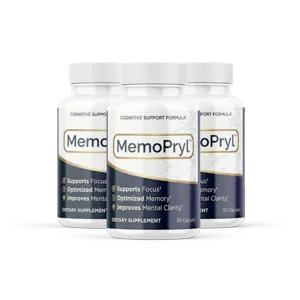
For adults over 60 seeking daily cognitive maintenance, we consider MemoPryl a well-formulated example of an advanced cognitive support supplement, backed by a 60-day guarantee and a 4.9/5 star rating from users focused on natural memory support. As an editorial recommendation, it pairs well with the healthy lifestyle habits discussed throughout this comparison.