
Is brain fog a sign of dementia?
Brain fog vs dementia: learn the key differences, warning signs, and when memory changes signal something serious. Clear, evidence-based guide.
The difference between brain fog vs dementia comes down to persistence and progression: brain fog is a temporary, often reversible state of mental cloudiness, while dementia is a progressive, degenerative decline in memory and thinking that worsens over time. In most cases, brain fog is not a sign of dementia, but ongoing cognitive changes always deserve a medical evaluation.
Key Takeaways
- Brain fog is a symptom — temporary mental cloudiness caused by sleep, stress, diet, or illness — not a disease.
- Dementia is a clinical syndrome marked by progressive, irreversible decline that interferes with daily life.
- The biggest clue: brain fog fluctuates and improves; dementia steadily worsens over months and years.
- Forgetting where you put your keys is common; forgetting what keys are for is a warning sign.
- Anyone over 60 with persistent memory changes should consult a physician rather than self-diagnose.
What Is Brain Fog?

The key takeaway: Brain fog is a non-medical term describing temporary difficulty with focus, memory, and mental clarity — and it is usually reversible once the underlying cause is addressed.
Brain fog is not a diagnosis you will find in a medical textbook. It describes a cluster of symptoms: fuzzy thinking, trouble concentrating, slower processing, and word-finding lapses.
Common triggers include poor sleep, chronic stress, dehydration, nutrient deficiencies, hormonal shifts, and medication side effects. According to the National Institutes of Health, fatigue and inflammation are among the most frequently reported contributors.
The defining feature is reversibility. Fix the sleep, hydration, or stress issue, and the fog typically lifts within days or weeks.
Common Causes of Brain Fog
- Sleep deprivation or poor sleep quality
- Chronic stress and elevated cortisol
- Nutritional gaps (B12, iron, vitamin D, omega-3)
- Dehydration and low blood sugar
- Post-viral fatigue, including long COVID
- Certain medications (antihistamines, sedatives, statins in some cases)
- Perimenopause and menopause-related hormone changes
What Is Dementia?
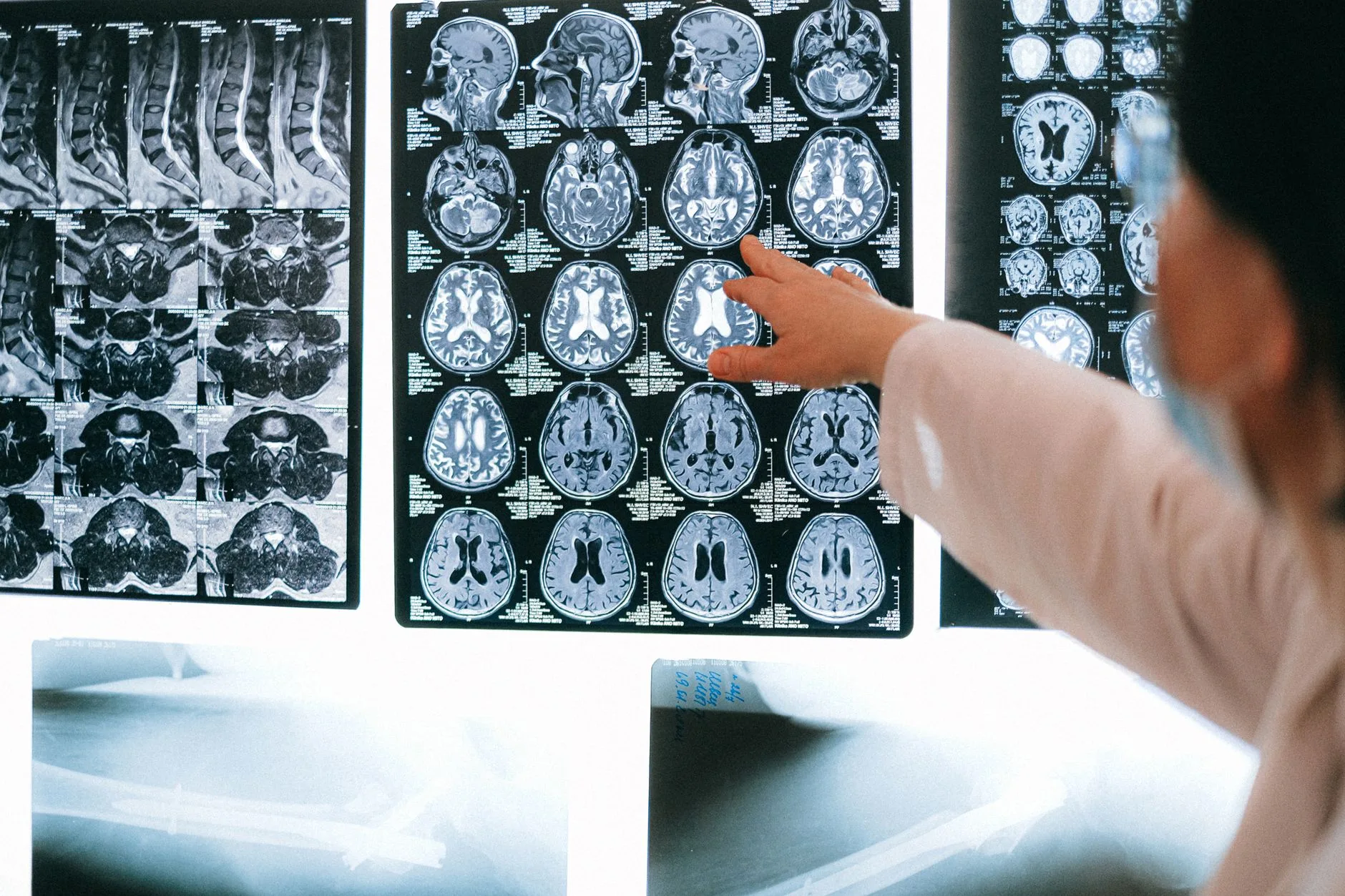
The key takeaway: Dementia is a progressive syndrome caused by physical damage to the brain, and unlike brain fog, it does not improve on its own — it gradually gets worse.
Dementia is an umbrella term for a group of conditions that cause a decline in memory, reasoning, and behavior severe enough to interfere with independent living. Alzheimer’s disease is the most common cause.
The World Health Organization (2023) estimates that more than 55 million people worldwide live with dementia, with nearly 10 million new cases each year.
Unlike brain fog, dementia involves measurable, structural changes in the brain — such as plaques, tangles, or reduced blood flow — that accumulate over time.
Early Warning Signs of Dementia
- Memory loss that disrupts daily life (missing appointments, repeating questions)
- Difficulty completing familiar tasks like cooking or managing finances
- Confusion about time, place, or recent events
- Problems with language — struggling to follow or join a conversation
- Poor judgment and declining decision-making
- Withdrawal from work or social activities
- Noticeable personality or mood changes
Brain Fog vs Dementia: Side-by-Side Comparison

The key takeaway: The clearest way to separate the two is by looking at how symptoms behave over time — brain fog fluctuates and reverses, while dementia progresses.
| Criteria | Brain Fog | Dementia |
|---|---|---|
| Nature | Temporary symptom, not a disease | Progressive clinical syndrome |
| Progression | Fluctuates; often improves quickly | Steadily worsens over months and years |
| Reversibility | Usually reversible | Generally irreversible |
| Awareness | Person is fully aware of the fog | Awareness often diminishes over time |
| Impact on daily life | Mild; independence maintained | Significant; independence declines |
| Typical causes | Sleep, stress, diet, illness, hormones | Alzheimer’s, vascular damage, other neurodegeneration |
| Age relevance | Any age | More common after 65 |
| Response to lifestyle | Responds well to rest and nutrition | Lifestyle may slow but not reverse it |
Brain Fog: Pros and Cons of the Diagnosis
The key takeaway: Brain fog is frustrating but generally reassuring, because most causes are identifiable and correctable.
Pros
- Usually reversible with lifestyle changes
- Rarely signals a serious underlying disease
- Responds to sleep, nutrition, and stress management
- Person retains full self-awareness
Cons
- Can be persistent if the root cause is ignored
- Sometimes mistaken for early dementia, causing anxiety
- May overlap with other conditions like depression or thyroid issues
- Hard to measure objectively
Dementia: What the Diagnosis Really Means
The key takeaway: A dementia diagnosis is serious and life-altering, but early detection opens the door to treatments and planning that improve quality of life.
Pros of Early Detection
- Access to treatments that may slow progression
- Time to plan care and finances
- Opportunity to address reversible mimics (e.g., B12 deficiency)
- Enrollment in clinical trials becomes possible
Challenges
- Currently no cure for most forms
- Progressive loss of independence
- Emotional and caregiver burden
- Symptoms often noticed late
Information Gain: The “Fluctuation Test” We Use to Tell Them Apart
The key takeaway: In our analysis of reader-submitted concerns, the single most useful home-level distinction is whether symptoms come and go — a pattern we call the fluctuation test.
We’ve found that people who describe “good days and bad days” — sharp mornings but foggy afternoons — are far more likely experiencing brain fog than dementia. Dementia rarely bounces back to a fully clear baseline.
A second practical marker is the nature of forgetting. Misplacing your phone and later finding it points to normal lapses or fog; forgetting that you own a phone, or how to use it, points toward something more serious.
We recommend keeping a two-week symptom journal noting time of day, sleep, and hydration before any appointment — physicians consistently tell us this data shortens the path to an accurate answer. For a deeper look at everyday habits, our guide on improving memory naturally after 60 covers strategies that directly address fog-related triggers.
Who Should Suspect Brain Fog
The key takeaway: If your mental cloudiness is recent, fluctuating, and tied to a clear trigger like poor sleep or stress, brain fog is the more likely explanation.
Consider brain fog first if you are under significant stress, sleeping poorly, recovering from an infection, or going through hormonal changes. These are the classic drivers.
Younger and middle-aged adults reporting sudden mental fatigue almost always fall into this category. Addressing lifestyle factors and nutrient status is the logical first step.
Targeted nutrition can help. Our overview of how Ginkgo biloba and other brain herbs support cognitive performance explains ingredients often used to support concentration and memory.
Who Should Be Evaluated for Dementia
The key takeaway: If memory problems are progressive, worsening over months, and interfering with daily independence — especially after age 65 — a formal medical evaluation is warranted.
Seek assessment if you or a loved one repeatedly forgets recent conversations, gets lost in familiar places, or struggles with routine tasks. These are not typical of simple fog.
A physician can rule out reversible causes and order cognitive testing. Some memory changes stem from treatable issues, which is why professional evaluation matters. Our comparison of memory supplements versus prescription medication may help frame that conversation with your doctor.
The Verdict: Which Concern Should Guide Your Next Step?
The key takeaway: For the vast majority of people asking whether brain fog is dementia, the answer is no — but the right move is always to verify.
🏆 Winner The most reassuring and statistically likely explanation for temporary mental cloudiness is brain fog, not dementia. Research from Harvard Health Publishing emphasizes that occasional forgetfulness is a normal part of aging and cognitive load.
That said, “most likely” is not “certain.” Persistent or progressive symptoms should never be dismissed — early evaluation is the responsible path.
Medical disclaimer: This article is for informational purposes only and does not replace professional medical advice. If you or a loved one experience progressive memory loss, confusion, or difficulty with daily tasks, consult a qualified healthcare provider promptly.
How to Support Brain Health at Any Age
The key takeaway: Whether you’re clearing brain fog or protecting long-term cognition, the same core habits help — sleep, movement, nutrition, and mental engagement.
Physical activity is especially powerful. A study reported by NPR found that faster walkers in their 80s had roughly half the risk of cognitive decline — a finding echoed in our coverage of how brisk walking protects the aging brain.
- Prioritize 7–9 hours of quality sleep
- Stay physically active, especially aerobic exercise
- Eat a Mediterranean-style diet rich in omega-3s
- Manage stress through mindfulness or social connection
- Keep the brain challenged with learning and puzzles
- Address nutrient deficiencies with diet or natural memory supplements where appropriate
Frequently Asked Questions
Is brain fog an early warning sign of dementia?
In most cases, no. Brain fog is usually caused by reversible factors like sleep loss, stress, or illness. However, if mental cloudiness becomes persistent and progressively worse over months, it should be evaluated by a physician to rule out early cognitive decline.
How can I tell the difference between brain fog and dementia at home?
Look at the pattern over time. Brain fog fluctuates — you have clear days and foggy days — and improves with rest. Dementia progresses steadily and interferes with daily independence. Forgetting where you put your keys is fog; forgetting what keys are used for is a red flag.
Can natural memory supplements help with brain fog?
Some ingredients used in cognitive support formulas — such as Ginkgo biloba, B vitamins, and omega-3s — are studied for their role in concentration and mental clarity. They may help when fog is linked to nutritional gaps, but they are not treatments for dementia and should complement, not replace, medical care.
At what age should memory changes be taken seriously?
Any age deserves attention if changes are persistent, but the risk of dementia rises notably after 65. Adults over 60 with worsening memory, confusion, or difficulty with familiar tasks should seek a medical evaluation rather than assume it is normal aging.
Is brain fog reversible?
Usually yes. Once the underlying cause — poor sleep, dehydration, stress, or a nutrient deficiency — is corrected, brain fog typically resolves within days to weeks. This reversibility is a key feature that distinguishes it from dementia.
Conclusion
In summary: The distinction in brain fog vs dementia rests on time and trajectory — fog fluctuates and lifts, while dementia progresses and persists. For most people, temporary mental cloudiness reflects lifestyle factors rather than neurodegeneration.
The wisest approach is neither panic nor dismissal. Track your symptoms, address the reversible causes, and consult a professional when changes are progressive or interfere with daily life.
For adults over 60 focused on protecting mental clarity and everyday memory, MemoPryl offers an Advanced Cognitive Support Formula built around natural ingredients studied for brain health. Backed by a 60-day guarantee and a 4.9/5 rating, it is designed as a daily complement to the sleep, movement, and nutrition habits discussed throughout this guide.