What are the symptoms of brain fog?
Brain fog symptoms include memory lapses, poor focus, and mental fatigue. Learn the warning signs, causes, and how to support cognitive clarity.
Brain fog symptoms are a cluster of cognitive complaints — including memory lapses, difficulty concentrating, mental fatigue, and slowed thinking — that make everyday tasks feel harder than usual. Brain fog is not a medical diagnosis itself but a signal that something (sleep, stress, hormones, nutrition, or an underlying condition) is affecting how clearly your brain processes information.
Key Takeaways
- Brain fog is a symptom, not a disease — it points to an underlying cause rather than being a condition on its own.
- The four most common signs are memory problems, poor concentration, mental fatigue, and word-finding difficulty.
- Frequent triggers include poor sleep, chronic stress, hormonal shifts, nutrient deficiencies, and post-viral recovery.
- Occasional fog is normal; persistent or worsening brain fog symptoms warrant a medical evaluation.
- Lifestyle changes, sleep, diet, and targeted cognitive support can meaningfully reduce foggy thinking.
What Is Brain Fog? A Clear Definition

The key takeaway: Brain fog is a subjective sense of reduced mental sharpness, characterized by cloudy thinking, forgetfulness, and difficulty focusing that interferes with normal daily function.
Clinically, brain fog is described as a temporary decline in cognitive performance across several domains at once. It differs from ordinary tiredness because it affects clarity of thought rather than just energy levels.
The term became far more widely searched after 2020, when persistent cognitive complaints appeared in people recovering from viral illness. According to the U.S. National Institute of Neurological Disorders and Stroke (NINDS), cognitive symptoms like these are among the most reported long-term neurological complaints in post-viral recovery.
The Main Brain Fog Symptoms to Recognize

The key takeaway: The core brain fog symptoms fall into four categories — memory, attention, mental energy, and language — and most people experience a combination rather than a single sign.
1. Memory Lapses and Forgetfulness
Short-term memory tends to suffer first. You may forget why you walked into a room, misplace items, or struggle to recall names and recent conversations.
This differs from age-related forgetfulness because it can appear suddenly and fluctuate day to day.
2. Difficulty Concentrating
People with brain fog often describe being unable to hold attention on a task or conversation. Reading the same paragraph repeatedly without absorbing it is a hallmark complaint.
3. Mental Fatigue and Sluggish Thinking
Cognitive effort feels exhausting. Simple decisions take longer, and there is a persistent sensation of the mind “working through mud.”
4. Word-Finding and Verbal Difficulty
Trouble retrieving common words mid-sentence — often called “tip-of-the-tongue” moments — is one of the most frustrating brain fog symptoms and a frequent reason people seek help.
Physical and Emotional Symptoms That Accompany Brain Fog

The key takeaway: Brain fog rarely appears alone — it often comes with physical fatigue, headaches, irritability, and low mood that reinforce the cognitive cloudiness.
- Headaches or a sensation of head pressure
- Physical fatigue disproportionate to activity
- Irritability and low motivation
- Sleep disturbances — either insomnia or excessive sleepiness
- Anxiety about the symptoms themselves, which can worsen the fog
This feedback loop — where worry about cognition increases cognitive load — is one reason brain fog can feel self-perpetuating.
“Brain fog is not a medical or scientific term used by doctors. Instead, it’s a term used by people to describe how they feel when their thinking is sluggish, fuzzy, and not sharp.”
— Dr. Andrew E. Budson, Chief of Cognitive & Behavioral Neurology, VA Boston Healthcare System (Harvard Health Publishing)
What Causes Brain Fog Symptoms?
The key takeaway: Brain fog is a downstream effect of many possible triggers, from lifestyle factors to medical conditions, which is why identifying the root cause matters more than treating the fog itself.
| Category | Common Triggers | Reversible? |
|---|---|---|
| Lifestyle | Poor sleep, chronic stress, dehydration, alcohol | Usually yes |
| Nutrition | Low B12, vitamin D, iron, or omega-3 | Usually yes |
| Hormonal | Menopause, thyroid imbalance, blood sugar swings | Often yes |
| Medical | Post-viral recovery, autoimmune disease, medication side effects | Varies |
| Neurological | Early cognitive decline (in older adults) | Requires evaluation |
Nutrient status matters more than most people expect. Deficiencies in B vitamins and omega-3 fatty acids are consistently linked to reduced cognitive performance in research indexed on PubMed (National Library of Medicine).
Brain Fog in Adults Over 60: A Distinct Concern
The key takeaway: In older adults, brain fog symptoms deserve closer attention because they can overlap with — but are not the same as — early cognitive decline.
Aging naturally slows processing speed, but healthy brain aging should not cause a dramatic loss of daily function. When it does, evaluation is warranted.
In our editorial review of cognitive-support topics, we’ve found that older readers most often confuse two things: normal, occasional forgetfulness and the more persistent fog tied to sleep, medication, or nutrient gaps. Distinguishing the two is the first useful step.
For a deeper look at whether these symptoms signal something more serious, our guide on whether brain fog is a sign of dementia breaks down the warning signs to watch for.
Supporting Cognitive Health Naturally
For adults focused on healthy brain aging, the foundations are consistent: quality sleep, movement, hydration, stress management, and adequate intake of memory-supporting nutrients. Encouragingly, an NPR-reported study found that fast walkers in their 80s cut their risk of cognitive decline substantially — reinforcing how much daily habits matter.
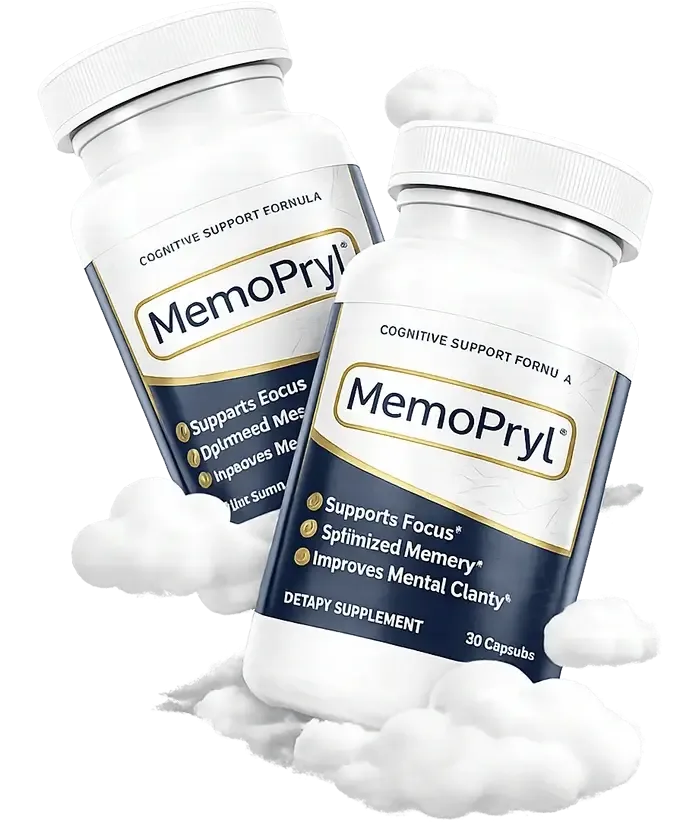
Some adults also explore a natural memory supplement or advanced cognitive formula as part of a broader routine. Products in this category — including formulations like MemoPryl, built around natural ingredients for neurological support — are designed to complement, not replace, healthy habits. Our related comparison of natural brain supplements versus prescription medications is a useful starting point for understanding the differences.
When Should You See a Doctor About Brain Fog?
The key takeaway: Occasional fog is normal, but persistent, worsening, or function-limiting brain fog symptoms should be evaluated by a healthcare professional.
Seek medical advice if you experience: brain fog lasting more than a few weeks, symptoms that interfere with work or safety, sudden confusion, difficulty with familiar tasks, or fog accompanied by numbness, vision changes, or severe headaches. This article is educational and does not replace professional medical diagnosis.
A doctor may check thyroid function, vitamin levels, blood sugar, sleep quality, and medications to identify a treatable cause. Many people find their fog resolves once the underlying trigger is addressed.
How to Reduce Brain Fog Symptoms
The key takeaway: Most brain fog improves through modifiable factors — prioritizing sleep, managing stress, correcting nutrient gaps, and staying physically and mentally active.
Habits That Help
- 7–9 hours of consistent sleep
- Regular aerobic exercise
- Hydration and balanced blood sugar
- Stress reduction (breathing, walking)
- Adequate B12, vitamin D, and omega-3
Habits That Worsen It
- Chronic sleep deprivation
- Excess alcohol or caffeine crashes
- Ultra-processed, low-nutrient diets
- Sedentary routines
- Untreated stress and burnout
For a structured, evidence-based approach, our guide on how to improve memory naturally at 60+ outlines seven strategies that also help clear mental fog.
Frequently Asked Questions About Brain Fog Symptoms
What does brain fog feel like?
Brain fog feels like thinking through a haze — thoughts are slow, memory is unreliable, and concentration takes visible effort. Many describe it as being mentally “cloudy,” “fuzzy,” or “disconnected,” even when physically rested.
How long do brain fog symptoms last?
It depends on the cause. Fog from a single bad night’s sleep clears within a day, while fog from post-viral recovery or a nutrient deficiency can last weeks to months until the underlying issue is resolved.
Is brain fog a sign of something serious?
Usually not — most cases stem from reversible factors like sleep, stress, or diet. However, persistent or worsening symptoms should be evaluated to rule out thyroid problems, deficiencies, or early cognitive decline, especially in older adults.
Can vitamins or supplements help with brain fog?
When brain fog is linked to a deficiency, correcting nutrients like B12, vitamin D, and omega-3 can help. Memory-supporting supplements may complement a healthy routine, but they work best alongside sleep, exercise, and diet rather than as a standalone fix.
What is the difference between brain fog and dementia?
Brain fog is typically temporary, fluctuating, and reversible, while dementia involves progressive, worsening decline that interferes with independence. Brain fog does not usually damage long-term memory the way dementia does, but persistent symptoms in older adults deserve professional assessment.
Conclusion
The key takeaway: Brain fog symptoms — memory lapses, poor focus, mental fatigue, and word-finding trouble — are signals worth listening to, not permanent conditions to accept.
Identifying the trigger is the real work: for most people, better sleep, nutrition, movement, and stress management restore clarity. When symptoms persist, a medical evaluation ensures nothing treatable is missed.
For adults over 60, protecting cognitive health early — through both lifestyle and targeted support — offers the best chance of staying sharp for the long term.
If clearing mental fog and protecting long-term memory is your goal, a consistent cognitive-support routine is the natural next step. MemoPryl is a natural memory and brain-support formula made for adults over 60, combining natural ingredients into an advanced cognitive formula backed by a 60-day satisfaction guarantee — designed to work alongside the sleep, nutrition, and movement habits covered in this guide.